

IPNEd urges MPs in donor parliaments to act for multilateral funding for education
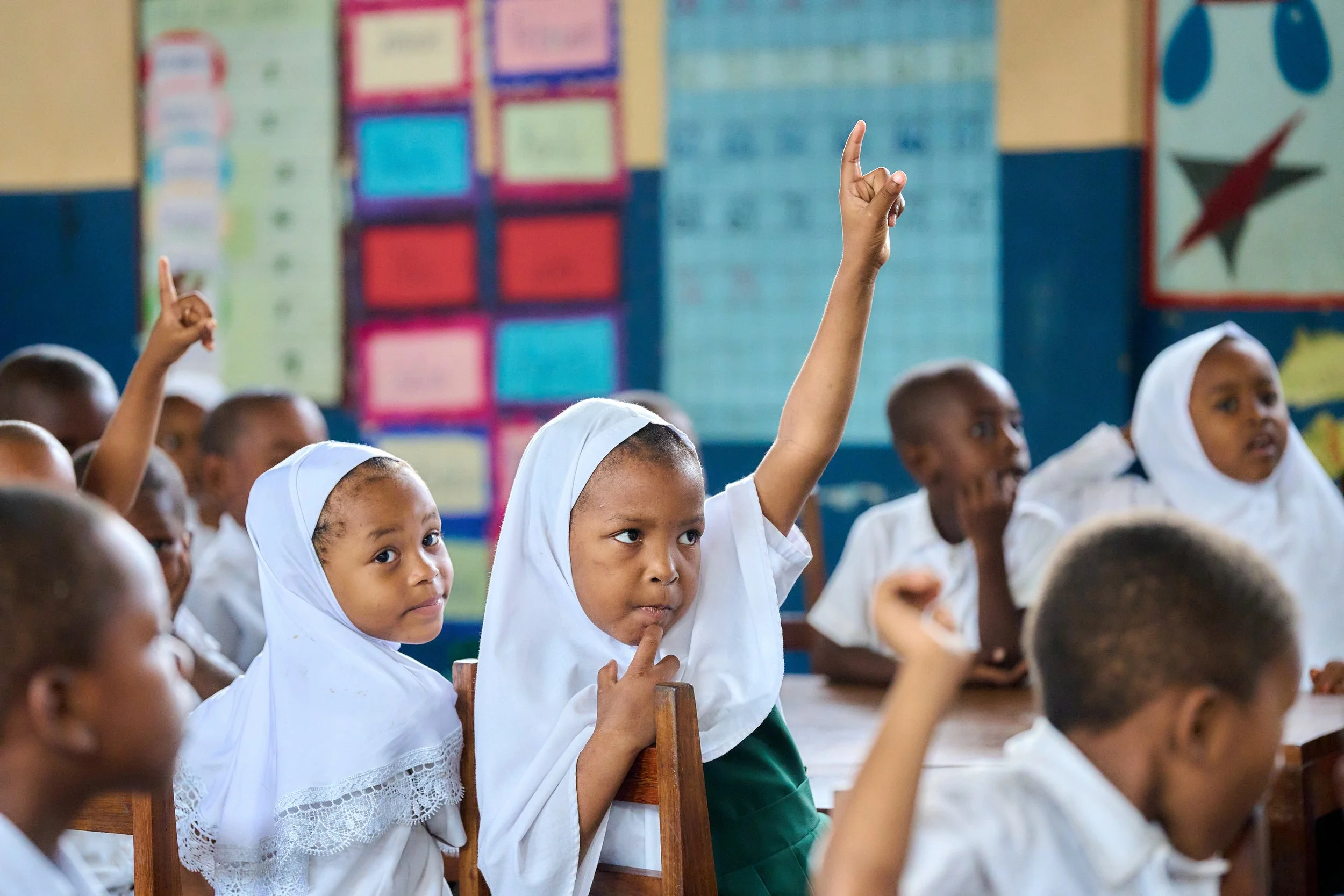
Photo Credit: Global Partnership for Education (GPE)
The launch of IPNEd’s newest briefings comes ahead of the respective replenishments of the world’s two global funds for education, the Global Partnership for Education (GPE) and Education Cannot Wait (ECW) on 23 September and 5 November this year.
The global briefing is applicable to MPs across all donor countries, while four country-level briefings for Canada, Ireland, the Netherlands (upcoming) and the UK reflect their specific national contexts, making the case for investment in multilateral education funds, particularly as these countries have yet to make clear commitments to one or both funds.
IPNEd has launched a global briefing for parliamentarians in donor countries, as well as four country-level briefings, ahead of the replenishment of the world’s two major education funds - the Global Partnership for Education (GPE) and Education Cannot Wait (ECW).
Members of parliament have a critical role to play in ensuring their governments contribute to both funds, and in advocating for the protection and growth of overseas development assistance (ODA) for education.
Despite the benefits of education, 273 million children and young people are still out of school and 70 per cent of children age 10 in low- and middle-income countries cannot read a basic story. Paired with the unprecedented pressures facing education financing, this is why political action for multilateral financing is more important than ever.
Successful replenishments will provide a vital counterweight to falling education ODA - enabling GPE to support long-term, country-led education system transformation, while allowing ECW to protect learning for children caught up in conflict, displacement and other crises.
Together, they offer donors a practical way to ensure scarce education resources reach the children and countries that need them most.
Ensuring both are fully replenished in 2026 is key to maximising the impact of increasingly scarce education financing and ensuring countries can both strengthen education systems for the long term and protect learning when crises strike.
On 23 September, GPE will hold its high-level replenishment event during the United Nations General Assembly, and ECW will host its replenishment on 5 November in Geneva.
Alongside the global briefing, country-level briefings have been created for four major donor countries, who have historically been key partners to both global funds but are yet to make full pledges to one or both funds. These include Canada, Ireland, the United Kingdom, and the Netherlands.
These briefings provide an overview of the wide-reaching impact that improving access and the quality of education can have for individuals and nations, outline the distinct but complementary roles of GPE and ECW, and outline key actions that MPs can take to support multilateral funding for education.
“Fully funded GPE and ECW are vital in the face of falling ODA and budget constraints,” shared Mr. Joseph Nhan-O'Reilly, Executive Director of IPNEd. “Members of parliament have a unique role to play in ensuring that the two funds are fully replenished - both to ensure children in crisis-affected countries can continue their education and to strengthen education systems for those living in low-income countries.”
