

Kenyan lawmakers commit to improving early learning outcomes
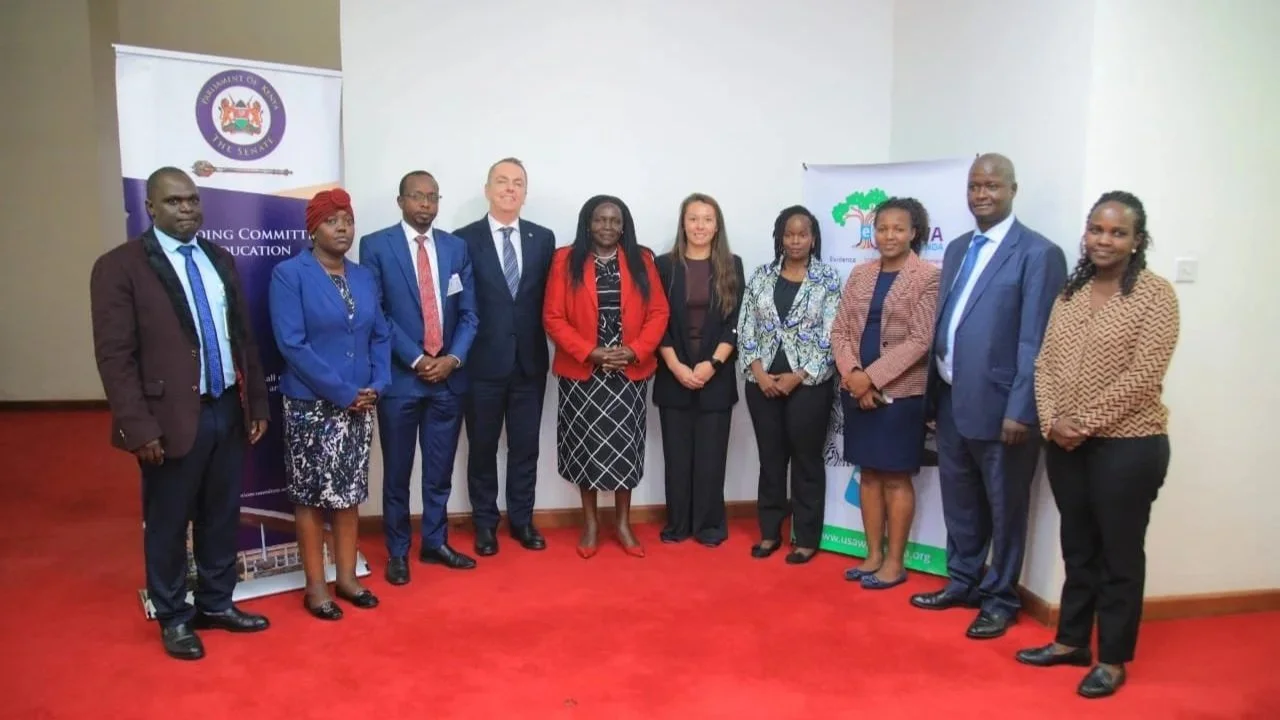
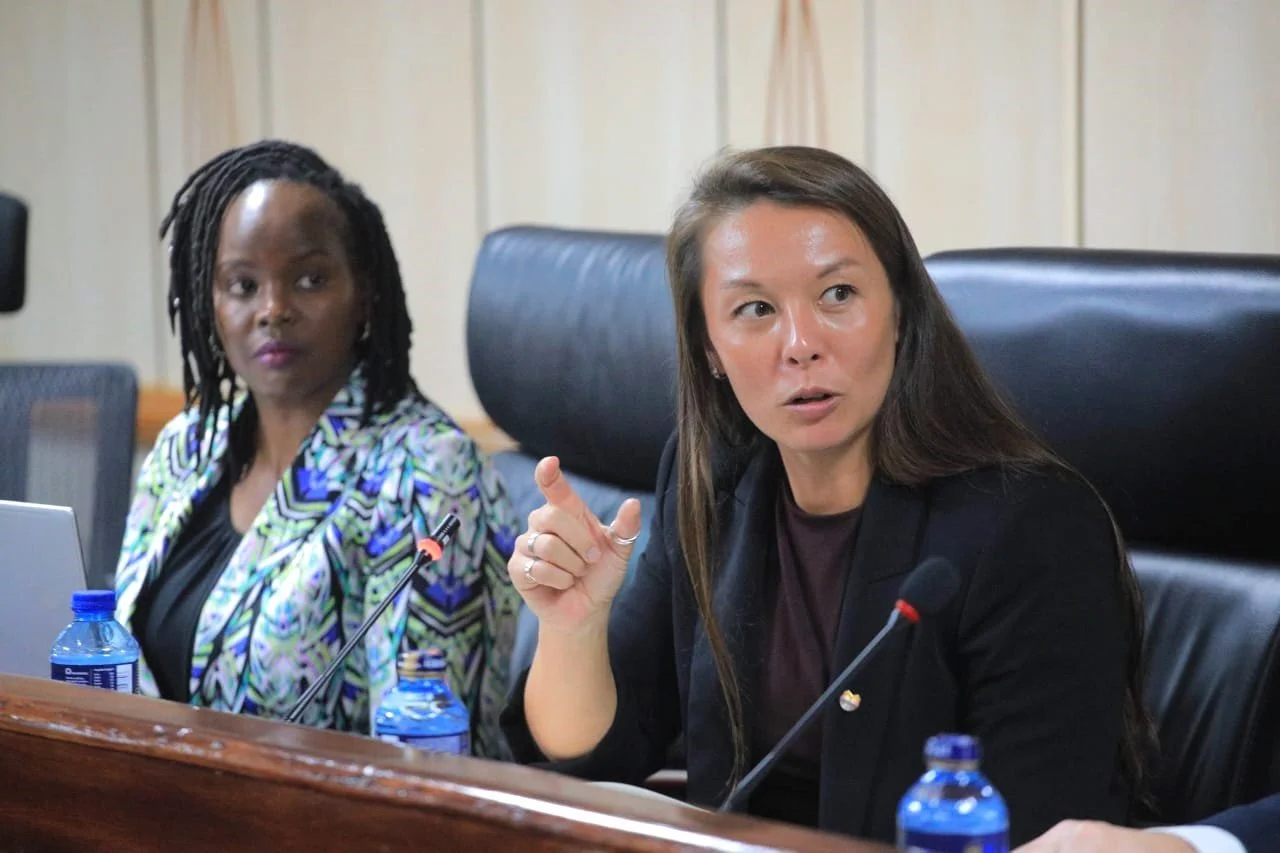
The Standing Committee on Education in the Senate met with the IPNEd team to share their work on early childhood education.
At meetings with IPNEd’s Executive Director and senior staff, members of the Parliamentary Committees on Education in the Kenyan Senate and National Assembly agreed on the critical importance of driving up foundational learning outcomes.
Joined by colleagues from Usawa Agenda, who collect robust data on learning across Kenya, both Committees emphasised the need for the latest evidence to inform their work.
According to Usawa Agenda data on Foundational Literacy and Numeracy (FLANA, 2023), 33.8% of grade 4 boys and 38.2% of grade 4 girls at least met expectations in reading a grade 3 appropriate English story and solving a grade 3 appropriate numeracy problem.
This means that more than 60% of children who are attending school in Kenya are not learning to read with comprehension at the expected level.
These statistics were shared by Kenya-based NGO, Usawa Agenda, with members of the Kenyan parliament during IPNEd’s recent visit to the country.
Leading for learning in the National Assembly Committee on Education
In the lower house of the Kenyan parliament, the National Assembly’s Committee on Education acknowledged both the extent and significance of persistently low levels of learning in early primary.
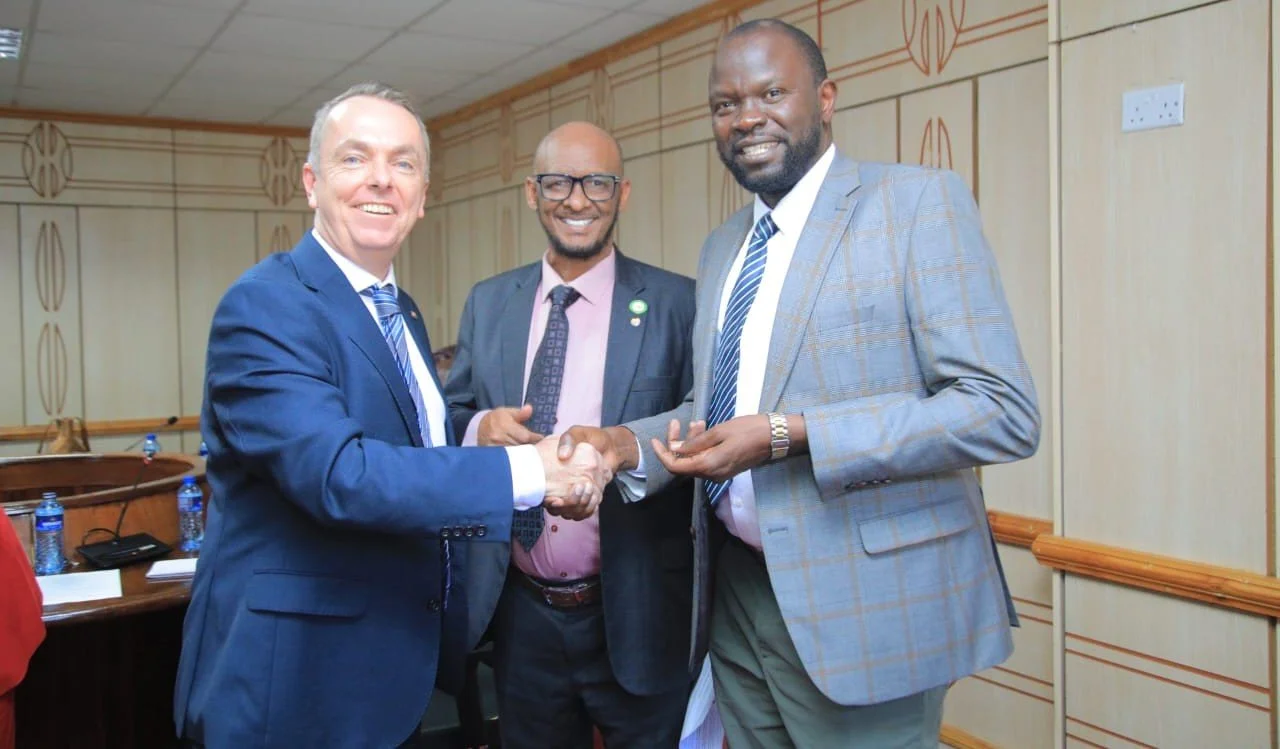
IPNEd Member, Hon. Abdul Haro, chaired the meeting, which included Hon. Mary Otucho, Hon. Rebecca Tonkei, Hon. Prof. Bartoo Jepkemoi and Hon. Dick Oyugi, and the expert staff who support the Committee.
“Foundational literacy and numeracy form the bedrock upon which all subsequent learning is built,” said Hon. Haro.
“Without mastery of basic reading and mathematics, learners would struggle to progress through higher education and into the world of work.”
On behalf of the Committee, Mr. Haro also shared their commitment to prioritise early learning in Kenya and to working in stronger collaboration with IPNEd to do that.
“We understand that IPNEd occupies a unique and important space in the global education landscape,” stated Mr. Haro.
His parliamentary colleague, Hon. Otucho shared that poor infrastructure and staffing were particularly problematic in her constituency and elsewhere.
In a recent benchmarking exercise involving her travel to the Nordic states, Ms. Otucho witnessed the importance of using scientifically-proven, effective teaching methods. She recommended evidence-based teaching practices and a learner-centred approach in Kenyan classrooms.
“There is growing global consensus on evidence in the science of teaching a child how to read,” shared Mr. Joseph Nhan-O’Reilly, Executive Director of IPNEd, who welcomed the clear commitment to learning from Members.
“We would be delighted to continue collaborations with the Committee to help deliver its mandate to ensure all children can access quality education in Kenya.”
The Senate Committee’s commitment to early childhood education
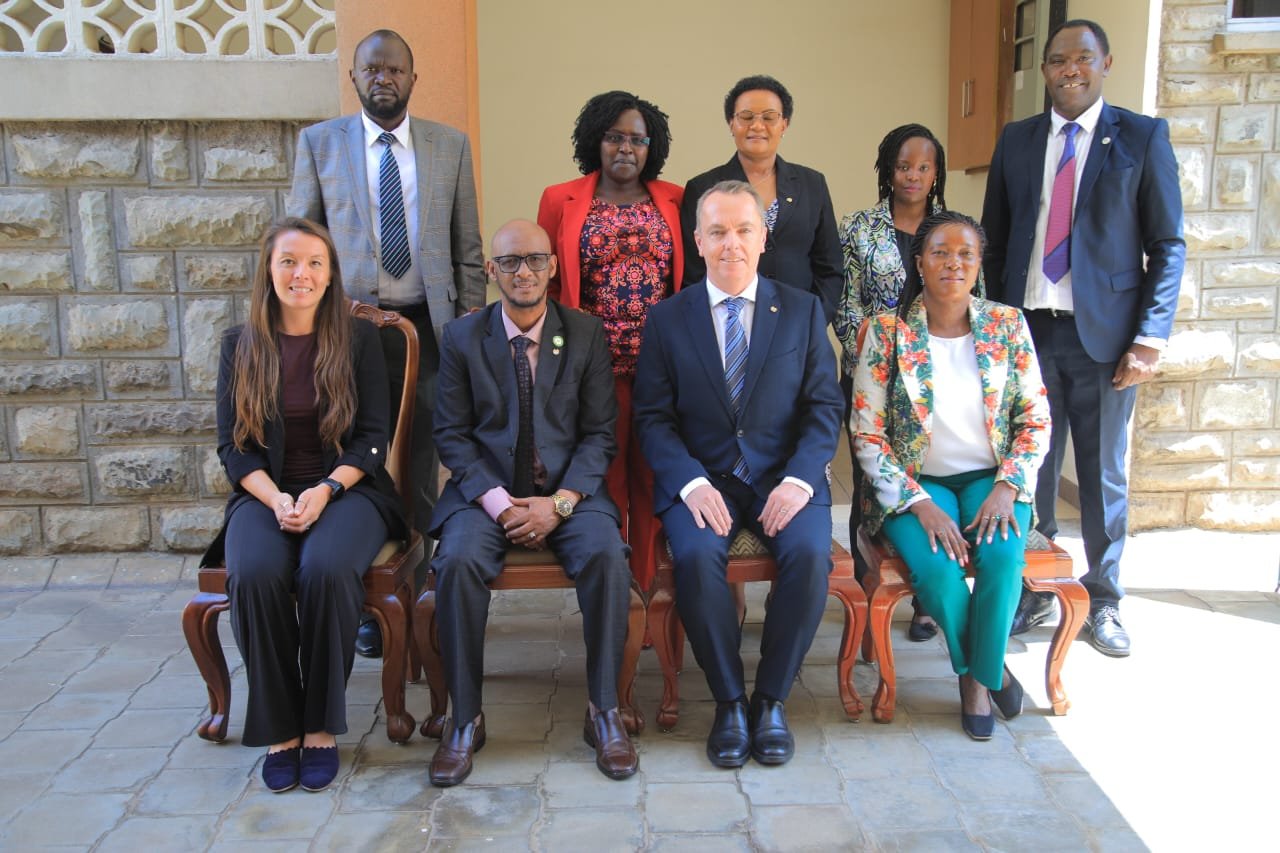
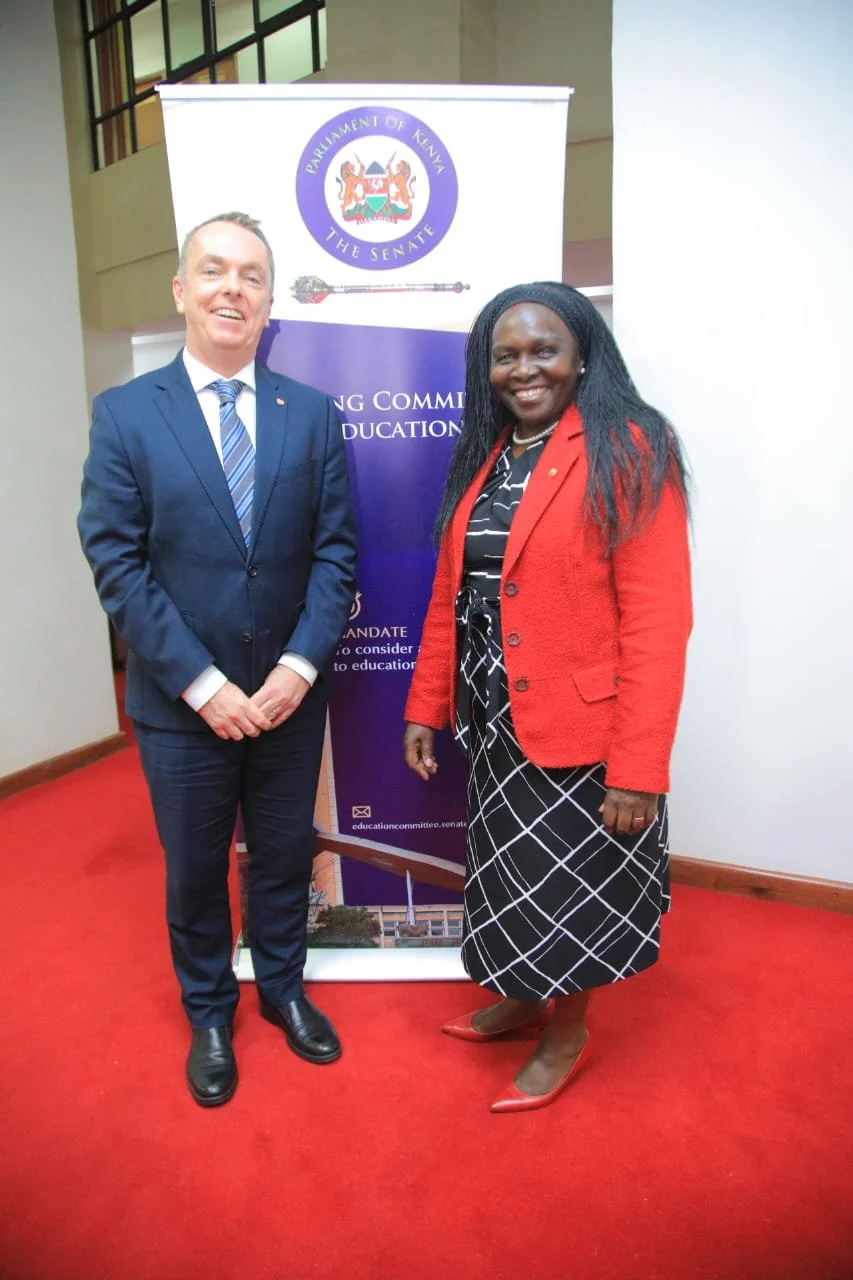
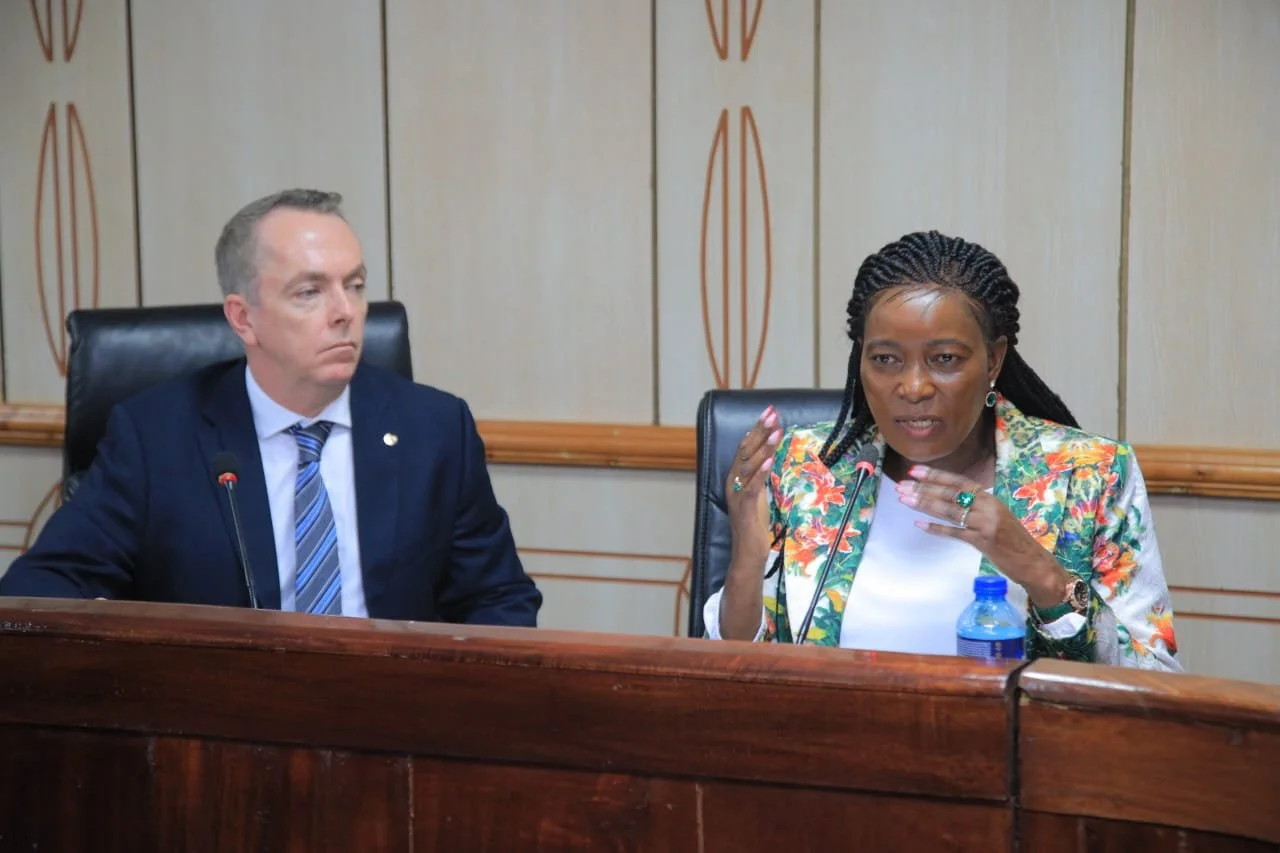
Hosting IPNEd and Usawa Agenda in the Senate, Senator Prof. Margaret Jepkoech Kamar, Vice Chair of the Senate Committee on Education, shared the important work the Committee is undertaking to ensure children can access early childhood education (ECE).
A longstanding IPNEd member, Prof. Kamar, highlighted that the Committee is currently conducting an inquiry into Kenya’s ECE policy and delivery.
She underscored the importance of early childhood care and education in building strong foundations and preparing children to enter primary school with emergent literacy and numeracy skills.
“If we don’t get early childhood education right, the growth of the child can be stunted, and their development can be greatly impacted,” shared Prof. Kamar.
The Committee’s inquiry involves members visiting all 47 counties in Kenya to assess the state and provision of ECE. Over half have been visited, where Prof. Kamar reported that the teacher-to-pupil ratio was too high, with the ratio as high as 1:100 in some areas.
Ms. Claudia Lagat of Usawa Agenda reinforced the Committee’s findings, sharing that 3 in 10 children of pre-school age are out of school despite ECE being mandatory under the education policy.
Collaboration to continue supporting the Senate Committee on Education will be ongoing to profile their commitment to action for ECE in the Kenyan parliament and ensure the provision of pre-primary education for all young learners can be fulfilled nationwide.
