

New citizen-generated data launched to drive learning and accountability
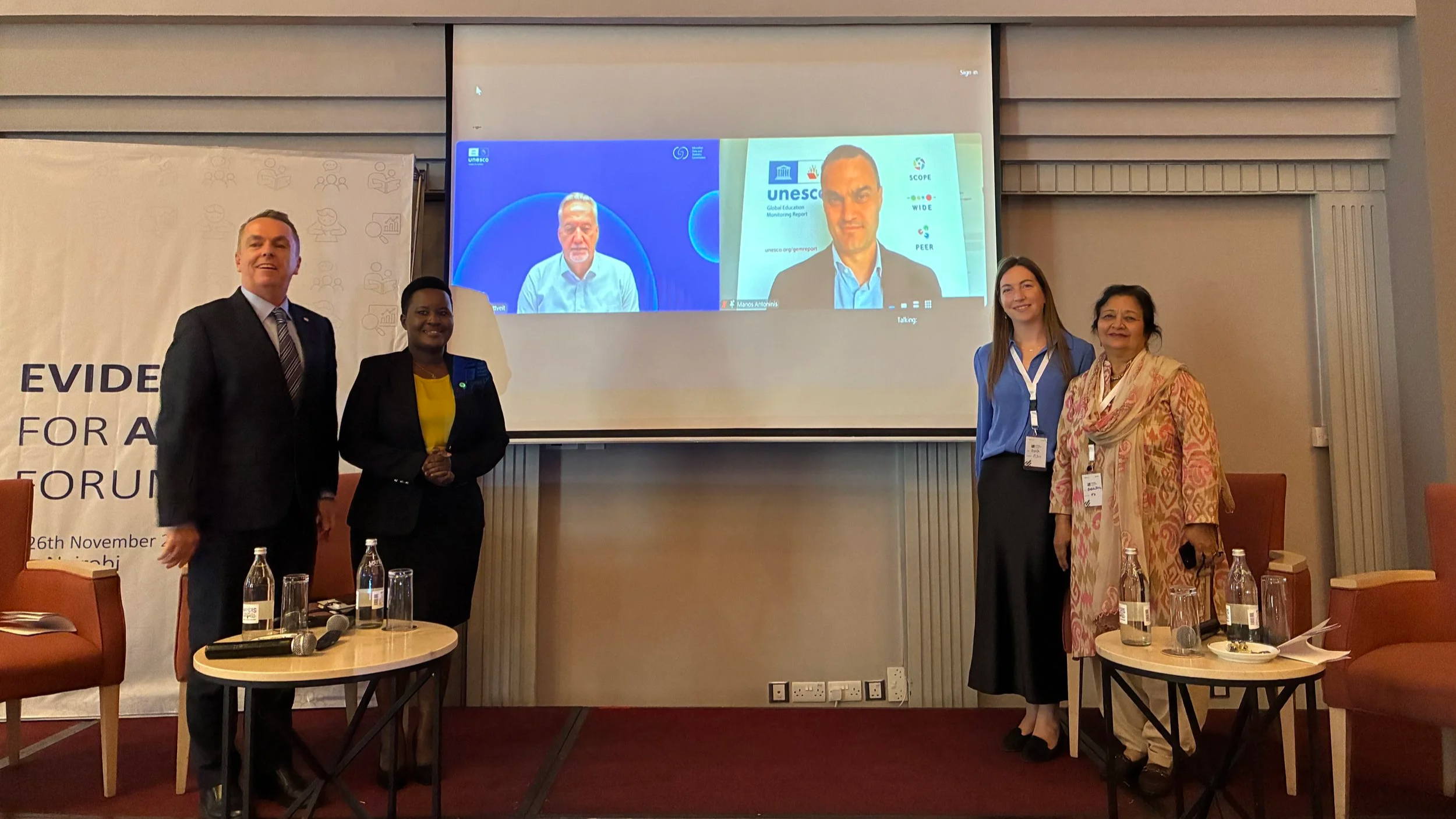
Sen. Okenyuri of the Kenyan parliament joined IPNEd’s panel on the value of citizen-generated data to drive accountability and progress.
The PAL Network’s Evidence for Action Forum was held in Nairobi, Kenya on 25-26 November and launched a new report (ICAN-ICAR report) on citizen-generated data from 12 countries on reading and numeracy levels.
Two IPNEd MPs, Hon. Abdul Haro and Senator Esther Okenyuri from the Kenyan Parliament, joined the two day event, highlighting the need to get this data into the hands of policymakers.
IPNEd convened a panel on SDG 4.1.1a on the value of citizen-generated data and how it can strengthen accountability and education policy and practice.
The PAL Network’s Evidence for Action Forum, held this week in Nairobi, showcased a powerful demonstration of what coordinated, south-south collaboration can achieve when people are mobilised behind a common goal.
Across 12 countries, thousands of volunteers and many partner organisations mobilised to assess the learning levels of nearly 90,000 children using new, globally comparative tools: ICAN - the International Common Assessment for Numeracy, and ICAR - the International Common Assessment for Reading.
The ICAN-ICAR report was launched at the Forum, culminating a body of evidence that is rigorous, independent and grounded in local context and language.
By combining a technically robust assessment with a methodology that reaches learners in their homes and communities, PAL Network members have produced data that reveal both progress and persistent gaps in foundational learning. It provides a clear picture of where children are struggling, who is being left behind and where governments need to act.
IPNEd was delighted to join the Forum alongside two of our members from the Kenyan Parliament: Hon. Abdul Haro, Member of the National Assembly Committee on Education, and Senator Esther Okenyuri of the Kenyan Senate.
Their participation reflected a growing recognition that citizen-generated evidence is essential for effective parliamentary oversight. For legislators responsible for scrutiny, budgeting, and law-making, these assessments offer a direct picture into whether children are acquiring the basic skills needed to learn and thrive.
Speaking as a guest of honour in the opening session, Mr. Haro emphasised the responsibility of parliamentarians to use this new evidence: “In parliament, we need to use the data from the assessment to ask questions, challenge gaps and ensure that policy, programmes, laws and funding, all of which we shape, all translate into tangible improvements in children’s learning.”
Senator Okenyuri echoed this message in the SDG 4.1.1a panel moderated by IPNEd’s Executive Director, Mr. Joseph Nhan-O’Reilly, calling on her peers to recognise the value of citizen-generated data for strengthening accountability and guiding educational priorities.
The panel also included Ms. Baela Jamil - ITA Pakistan, Mr. Manos Antoninis - Global Education Monitoring Report, Ms. Rona Bronwin - the FCDO and Mr. Svein Oesttveit - UNESCO Institute for Statistics.
Both MPs highlighted the remarkable achievement of the PAL Network members whose efforts underpin the ICAN-ICAR report. They urged stakeholders to ensure that this new evidence reaches policymakers in accessible and actionable forms, so it can directly inform national priorities.
The momentum generated in Nairobi underscores a critical next step: ensuring that this evidence is not only produced, but used.
Placing timely, high-quality data into the hands of policymakers will be essential to driving progress in foundational learning and meeting the commitments of SDG 4.
