IPNEd spotlights parliamentary action for foundational learning at FLEX 2026
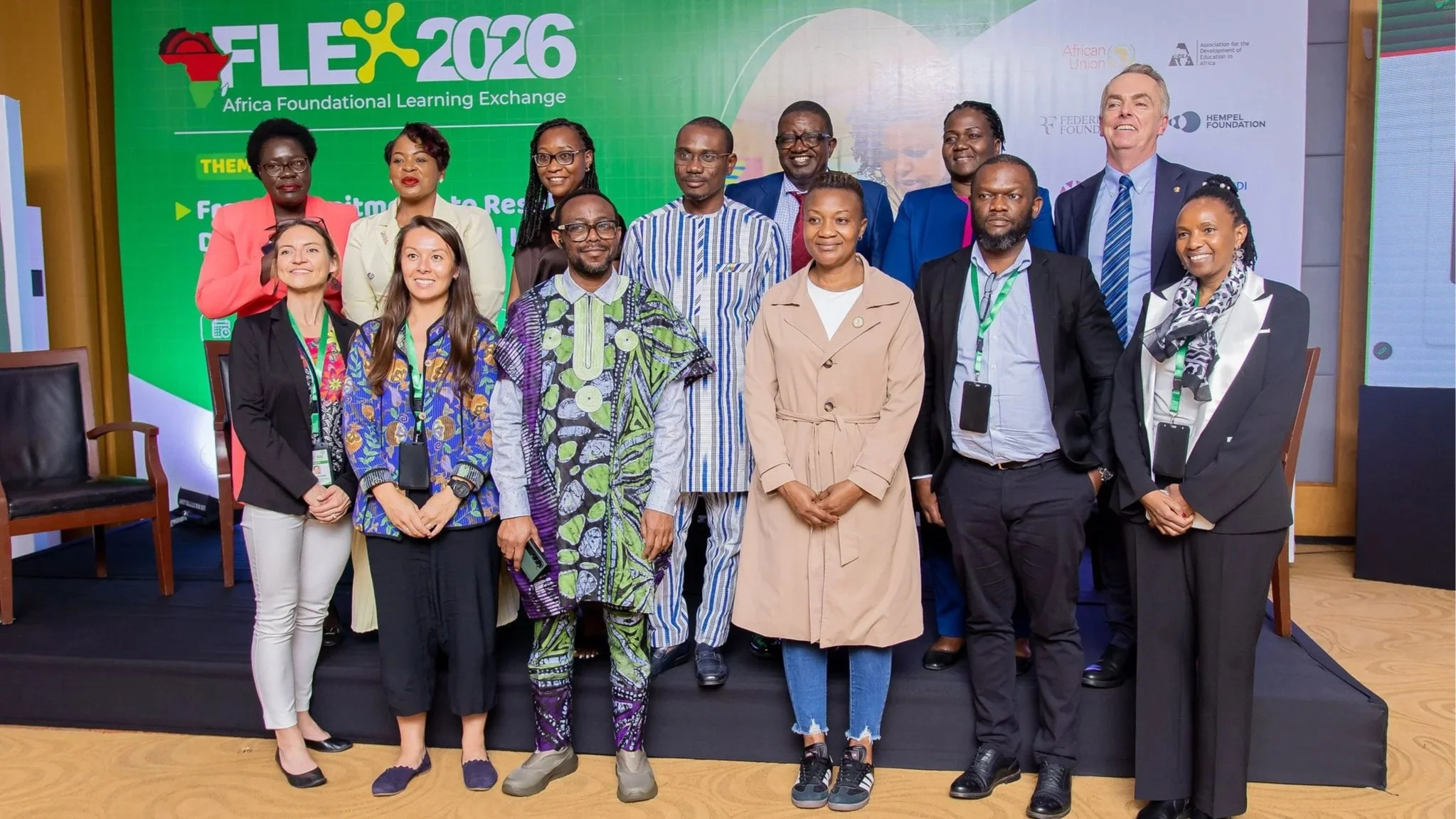
IPNEd attended FLEX 2026 to shine a light on the important role of parliaments to advance foundational learning
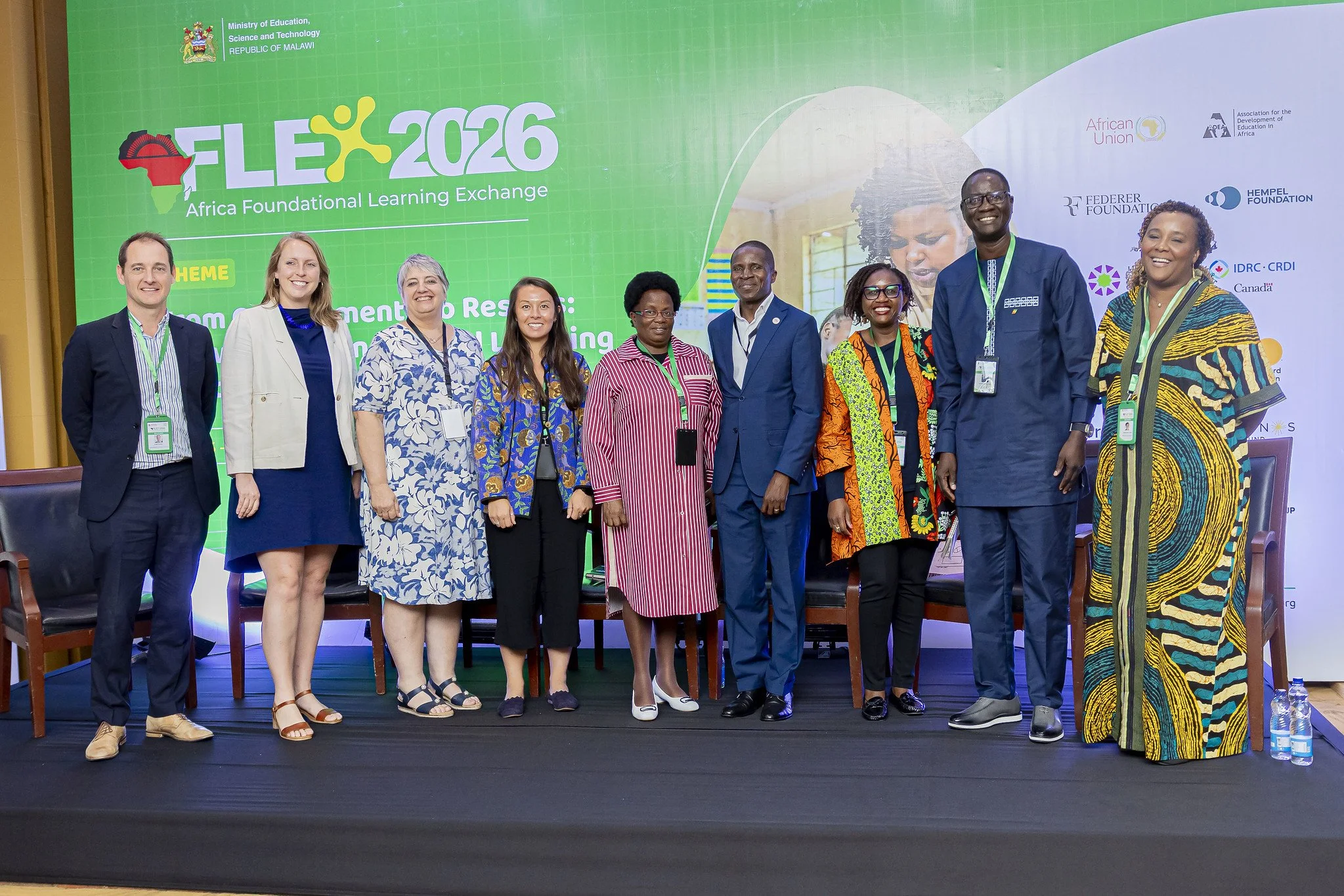
IPNEd attended the third edition of the Africa Foundational Learning Exchange (FLEX 2026) in Lilongwe, Malawi held on 15-17 July, 2026.
Two MPs from Malawi and Zambia shared what they are doing in their respective countries to drive progress for foundational learning.
IPNEd showcased how advocacy to parliaments is key to improving financing and ensuring accountability for commitments.
Across sub-Saharan Africa, it is estimated that 9 out of 10 children cannot read with meaning by age 10.
Last week in Lilongwe, Malawi, more than 600 ministers, officials, education leaders, policymakers and development partners from over 40 African countries gathered for the Africa Foundational Learning Exchange (FLEX 2026) to solve this persistent challenge.
The largest continental platform for peer-to-peer exchange on foundational learning, the three-day FLEX 2026 conference hosted discussions for Ministers of Education, high-level plenary sessions, technical workshops, and country spotlights to showcase national policies, programmes and solutions to improve foundational learning across Africa.
The discussions explored data, assessment and accountability mechanisms, teaching and learning, teachers and school leadership, and governance, alignment and financing for foundational learning.
Across all of these areas, parliamentary action in support of improved learning outcomes is key to continuing to drive and sustain progress.
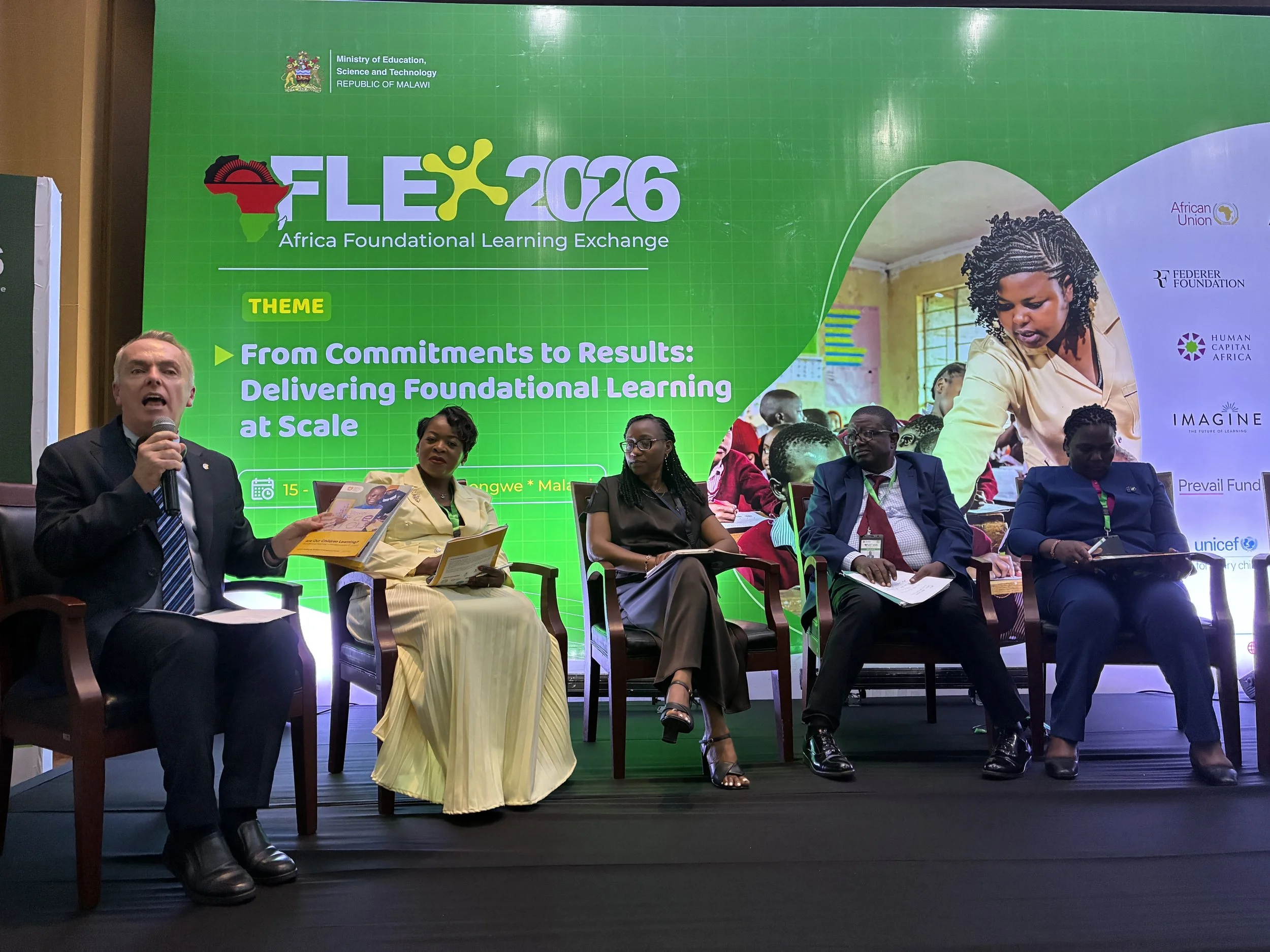
IPNEd took part in two panels to profile the importance of parliamentary engagement for more and better financing and to provide oversight and accountability of government actions.
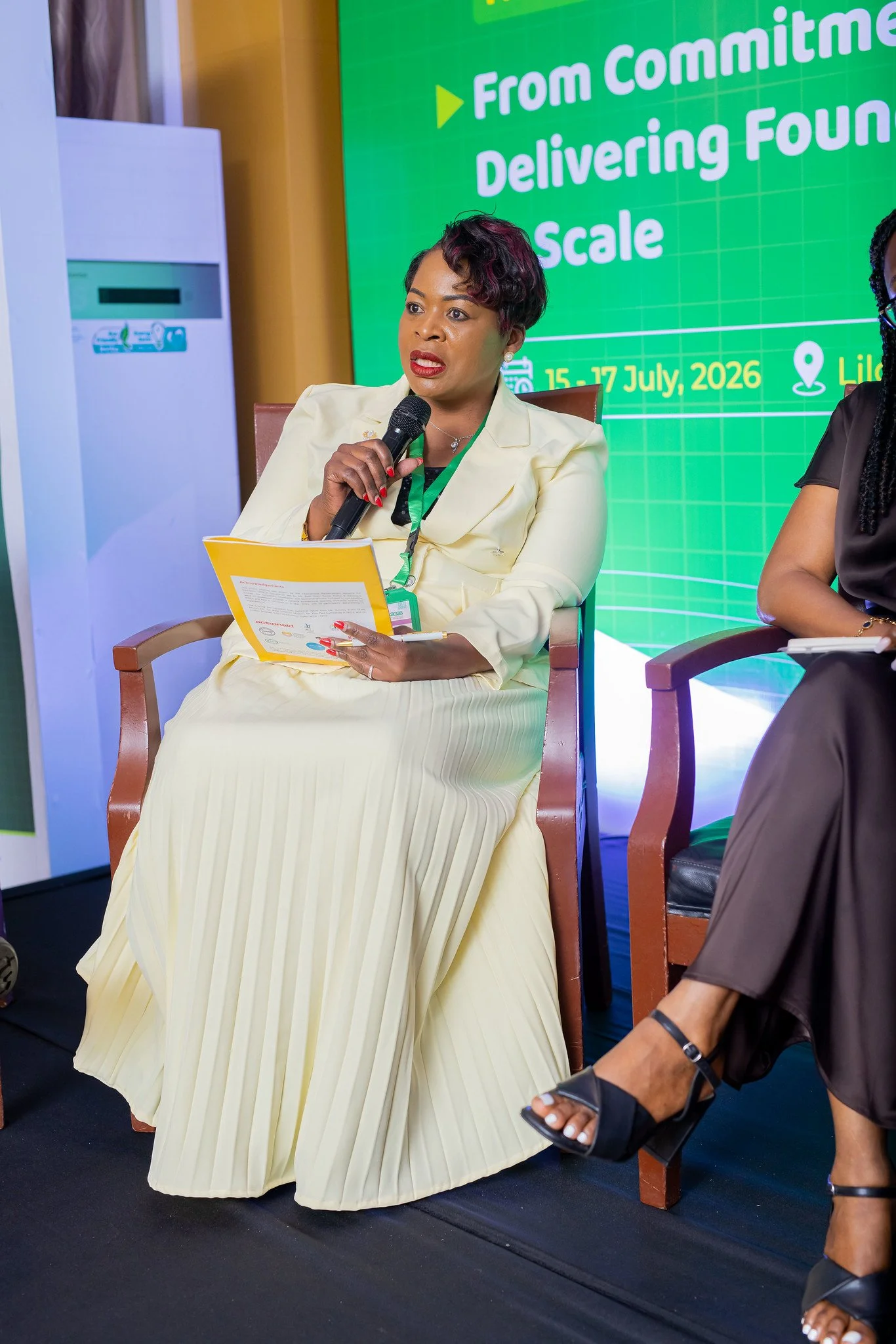
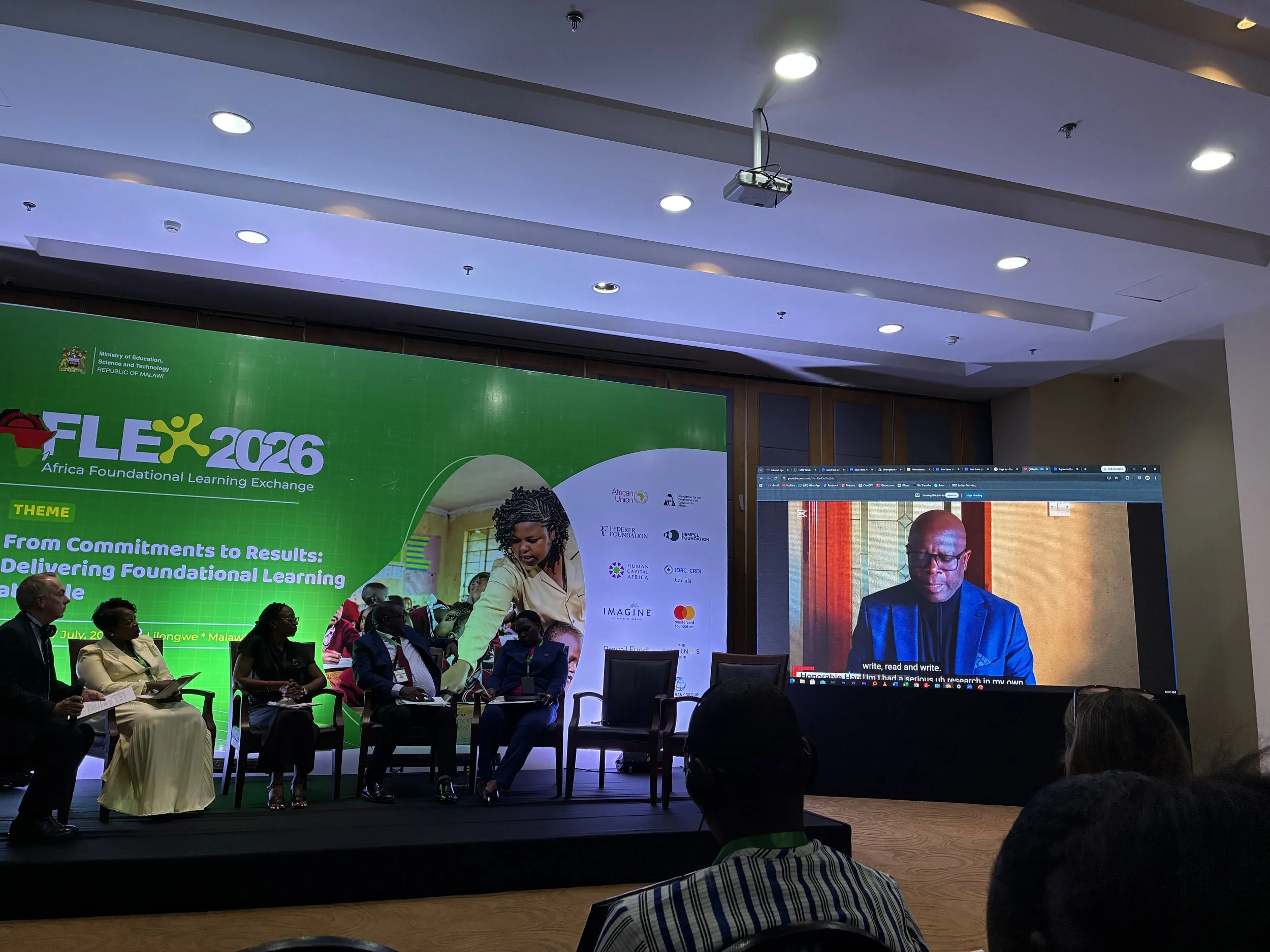
Mr. Joseph Nhan-O'Reilly, IPNEd’s Executive Director, moderated a panel that explored how continental commitments on foundational learning translate into practical mechanisms for foundational learning and the role of parliaments in doing this.
The panel included Hon. Mutani Tambala, MP, Chair of the Education, Science and Technology Committee in the Parliament of Malawi, and Hon. Harry Kamboni MP, the Chair of the Education Committee in the Parliament of Zambia.
Hon. Tambala underscored the important role that parliaments can play in improving learning outcomes, including through lawmaking, budgeting and oversight.
“The role of parliament is often misunderstood because many people assume that parliament and government perform the same functions,” she shared, “In reality, they have distinct but complementary responsibilities that should be used to ensure every child, regardless of where they live or their background, has access to quality learning.”
She announced the commitment of her Committee to undertake an investigation in parliament to identify gaps in foundational learning across Malawi, where only 19 per cent of children can read with understanding, and 13 per cent have basic numeracy skills.
Speaking via a video link from Zambia, Hon. Harry Kamboni shared his experience of conducting Africa’s first parliamentary inquiry into foundational learning.
“You can’t build a house without a strong foundation,” he shared in his video submission, “It is the same for our children. We must build strong foundations of reading, writing and numeracy to help them to continue through the grades and go onto secondary education.”
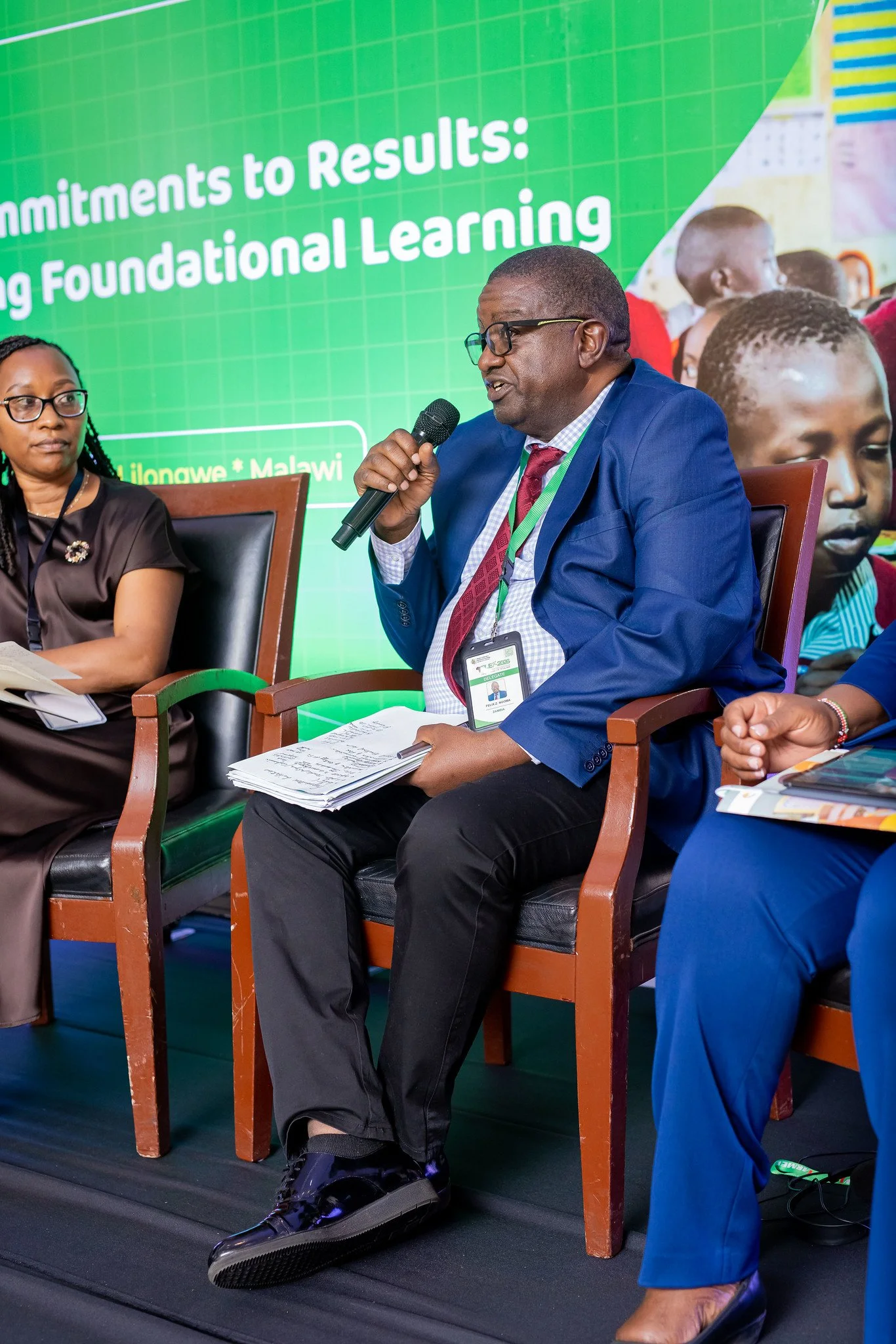
Other speakers during the session included Ms. Sophia Ashipala from the African Union Commission, and senior Ministry officials Mr. Pierre Chanou, of Benin, Mr. Felix Ngoma, of Zambia, Prof. Jeannette Bayisenge of Rwanda and Ms. Catherine Matara, of Kenya.
Advocating for improved financing for foundational learning
In a context where official development assistance (ODA) to education is declining, domestic resources across Africa are under strain and governments are facing growing pressure to ensure quality learning for the continent’s youngest citizens.
In a panel organised by the Foundational Literacy and Numeracy Hub, of which IPNEd is a member, Ms. Beth Gum, IPNEd’s Senior Policy & Advocacy Adviser, made the case for ensuring parliamentarians are included as primary stakeholders in the discussion on financing.
“When we talk about improving financing for foundational learning, our advocacy has focused on Ministries of Finance and Education”, Ms. Gum shared, “But actually, parliaments are the ones that approve and have the power to reallocate how public funding is spent, and then provide the oversight and accountability to audit how this money is spent by the government.”
During the session, Mr. Tom Pugh, Principal Consultant at Genesis Analytics presented a new education financing tool to identify gaps in spending, and Ms. Clio Dintilhac, Senior Programme Officer at the Gates Foundation, outlined recent findings that show 5 USD per child per year is what is required to drive up learning outcomes.