

Kenya hosts its inaugural national foundational learning conference
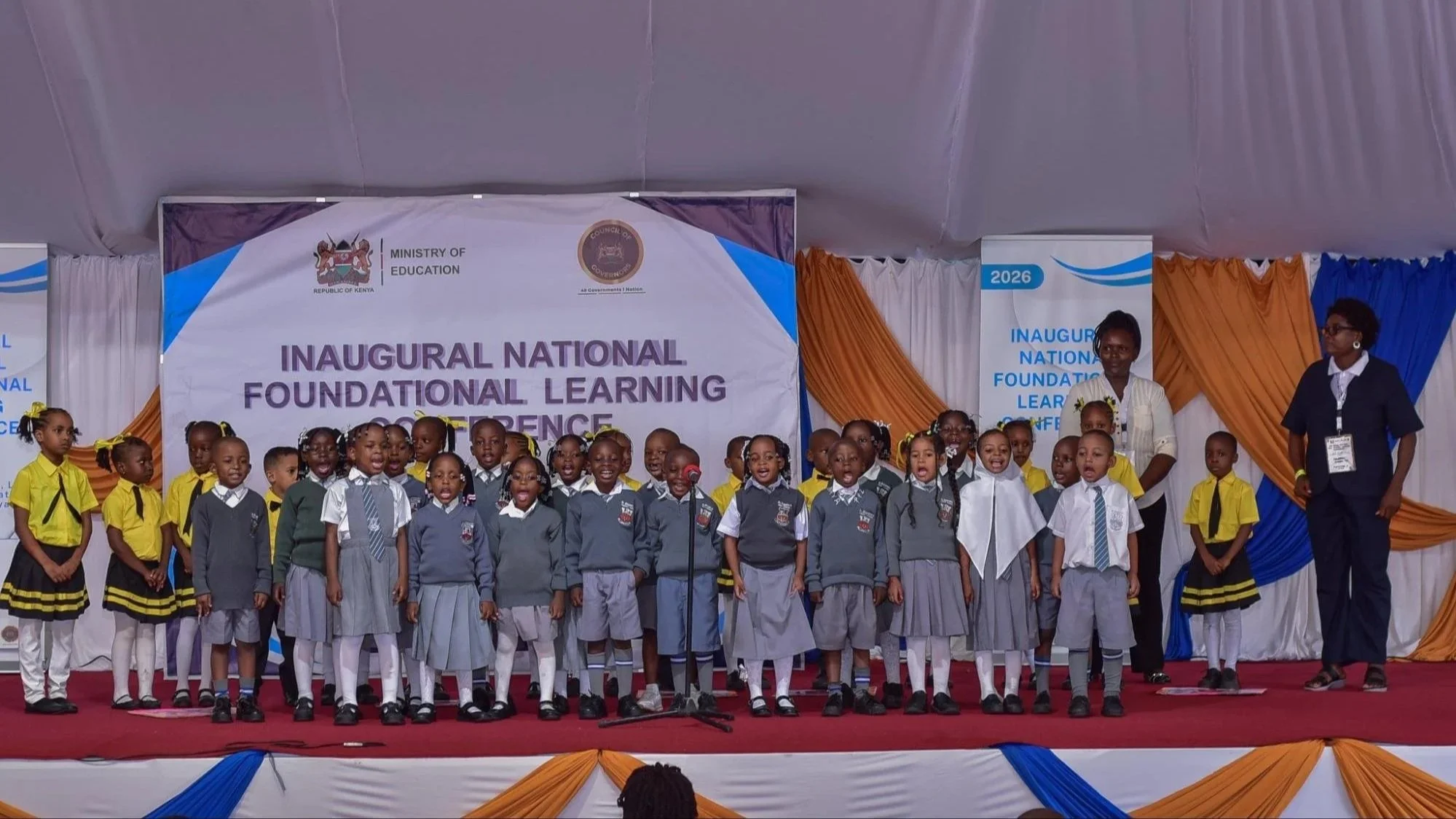
The foundational learning conference was the first of its kind in Africa, marking a high-level political commitment to improving learning outcomes.
Africa’s first national foundational learning conference has taken place in Mombasa, Kenya.
The conference brought together state agencies, officials, teachers, and strategic partners.
Discussions showed a strong commitment to foundational learning, with political leadership and broad support from attendees.
From 23-26th March in Mombasa, the Kenyan government hosted Africa’s first national foundational learning conference under the theme “Launch, Learn, Lead”, demonstrating high-level political commitment to ensuring all children are learning.
Political leadership and commitment for foundational learning is a key driver to improving outcomes for a nation’s youngest citizens.
With new foundational learning guidelines set to be launched in the first half of this year, the conference convened almost 700 national and county officials, state agencies, and key partners to strengthen shared leadership, coordination, and accountability for foundational learning.
The conference testified to the government of Kenya’s commitment to ensuring that all children acquire foundational skills by age 10.
Learning how to read, write, and do basic mathematics, alongside developing socio-emotional skills, through quality early childhood education and primary schooling is the bedrock for all learning.
The conference aimed to encourage national dialogues on research, policy, and implementation experiences to share progress and lessons learnt, and shine a light on emerging priorities from government-led initiatives.
It also provided a space to strengthen political, financial, and technical leadership for learning and to identify concrete actions for effective implementation, including coordination mechanisms and monitoring and accountability frameworks.
On the first day of the conference, the Ministry hosted school visits for participants to see schools firsthand and speak with local teachers.
For the rest of the conference, high-level dialogues, presentations on key issues, and deep-dives into four thematic tracks took place, covering issues in teaching and learning; policy, governance, coordination and system alignment; inclusion and equity in foundational learning; and data and accountability.
Opening the conference, Dr. Sara Ruto, Former Chief Administrative Secretary of the Ministry of Education, remarked, “Let us recognise that foundational learning is not a peripheral concern—it is the core of education reform. If we get this right, we give every child in Kenya a fair chance to learn, to grow, and to succeed.”
Ms. Martha Odundo, Head of the Directorate of Early Childhood Development at the Ministry of Education, spoke candidly of the key national challenges in foundational learning and the gaps in implementation from partner-led research. She highlighted 12 key issues, including the importance of curriculum and policy implementation, parent and community involvement, and adequate resource allocation.
With many discussions focused on the role of the teacher and the importance of providing adequate support, Dr. Reuben Nthamburi, Director of Teacher Professional Development at the Teacher Service Commission—the body responsible for hiring and training teachers in Kenya—emphasised efforts to register, train, and equip teachers with the skills and knowledge they need to teach effectively.
Beth Gum, Senior Policy & Advocacy Adviser at IPNEd, attended the conference in person and noted the conference’s energy to ensure children are learning.
“All stakeholders, from the national and county governments to non-state actors, demonstrate clear commitment to improving learning outcomes,” she shared. “This is a critical moment for Kenya, as it is the first national conference on foundational learning and time to turn commitment into measurable action, including through engaging the parliament to drive progress.”
