

Kenyan parliament considers new education bills to strengthen the sector, including foundational learning
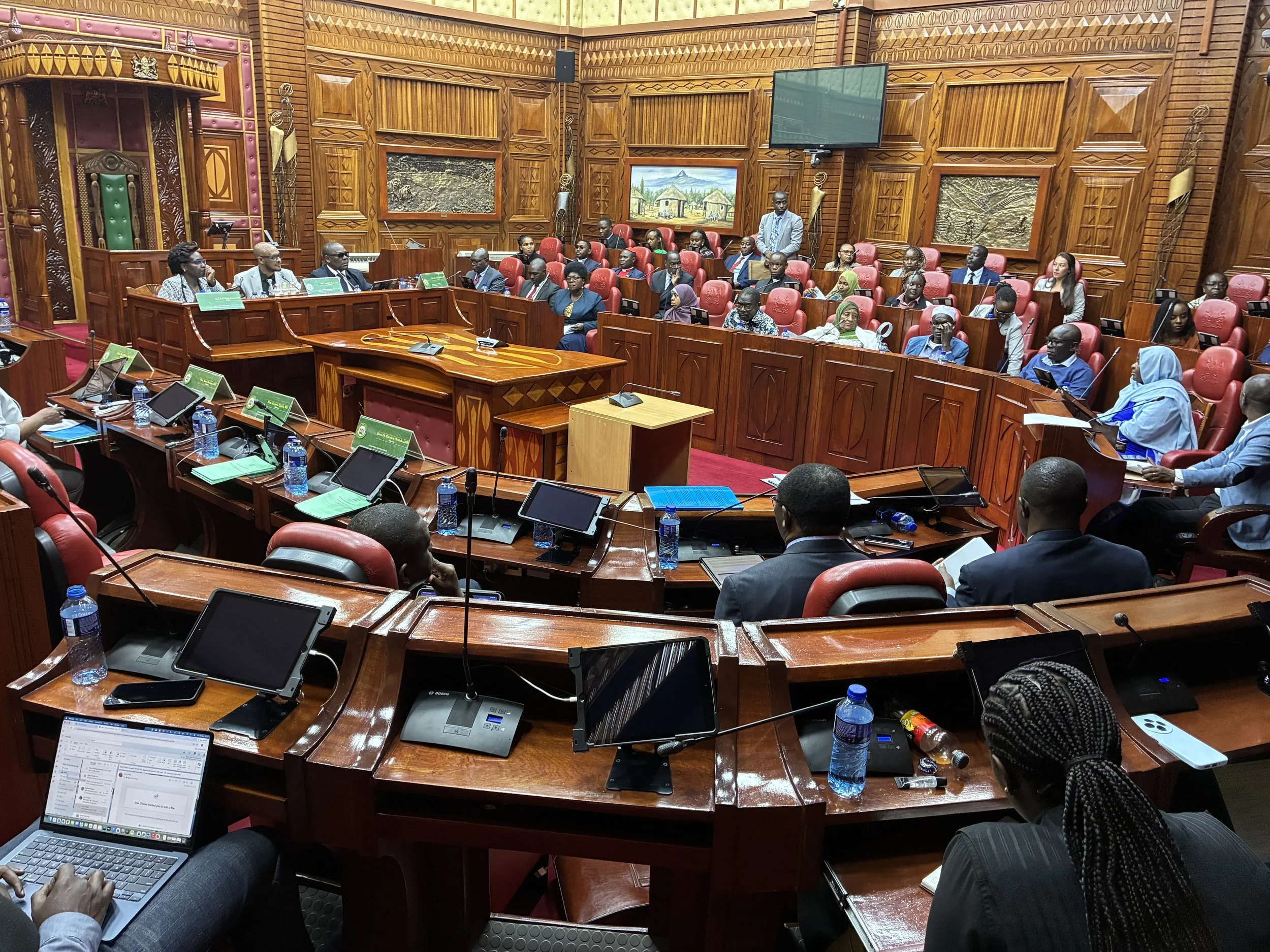
IPNEd joined representatives from over 70 organisations in Nairobi, Kenya at the Departmental Committee of Education’s public participation hearing on 25 September.
The Departmental Committee of Education in the Kenyan National Assembly is currently considering six new education bills that will have a far-reaching impact across the sector.
The bills aim to overhaul the education system with key reforms affecting pre-primary up to tertiary and university education.
The broadest pieces of legislation include the Tertiary Education, Placement and Funding Bill (2026) and the Basic Education Bill (2026), both of which propose changes to governance, coordination, funding, and other key issues, including data collection, quality assurance and support for children with disabilities.
The other bills include the Kenyan National Educational Assessments Council Bill (2026); the Pre-Service Education and In-Service Training Bill (2026); The Kenyan Institute for Curriculum Development (Amendment) Bill (2026); and the Kenya National Qualifications Framework (Amendment) Bill (2026).
As part of the Committee’s consideration process, members are travelling across Kenya’s 47 counties to hear from members of the public on gaps and issues in the new bills.
Joining representatives from more than 70 organisations in Kenya, IPNEd attended the Committee’s public participation hearing in Nairobi on Friday 25 September.
In preparation for this engagement, the group met for a half-day workshop to strategise and build consensus on the key issues to highlight before the Committee.
This included preparing a written memorandum which provides clause-by-clause analysis through a lens of gender equality, disability and social inclusion; issues affecting foundational learning and teachers; improving data usage; and quality assurance.
The engagement on Friday 25 September was led by members of the Education Development Partners Coordination Group, currently chaired by UNICEF Kenya, and the Regional Education Learning Initiative (RELI) Africa in Kenya.
Mr. Andiwo Obondoh, Country Lead for Education Development Trust & the INSPIRED Consortium, led the group’s participation in parliament, citing the importance of considering all the bills together to ensure alignment and harmonisation.
“We welcome the new proposed bills affecting all levels of education in Kenya,” he shared, “But unless we get the basics right in pre-primary and primary education, later education will suffer. We must get foundational learning right so students can reap the rewards at junior, secondary and tertiary education.”
On behalf of the group, Dr. Irene Nyamu, CEO of RELI Africa, shared insights into the Basic Education Bill, highlighting the importance of clearly defining foundational learning, which includes a binding duty for national and county governments to work together to ensure smooth governance for Kenya’s youngest learners.
“The Basic Education Bill is an important opportunity to strengthen foundational learning in law,” shared Dr. Nyamu, “This includes formalising a school model that works for children from Pre-Primary 1 to Grade 3, with the facilities they need to learn and clear responsibilities across national and county governments to make this work in practice.”
The Committee continues its public participation hearings until Friday 2 October.
The partners offered their continued technical support as the bills progress, with the Committee welcoming further engagement, reflecting the value of sustained dialogue between members of parliament and education stakeholders in strengthening legislation.
“It is a critical time for education in Kenya, and parliamentarians have a unique role to play in shaping, amending and ultimately approving laws that can improve how the education system works for children,” shared Ms. Beth Gum, IPNEd’s Head of Policy & Advocacy, who joined the organisations in Kenya.
“Ensuring that foundational learning is properly reflected in these reforms is particularly important. Kenya has an opportunity to demonstrate across the region how legislation can be used to address persistent challenges in education and create stronger foundations for learning.”
After the hearings, the Committee will produce and table a public participation report ahead of the second reading of the bills in parliament, where MPs will propose and consider amendments based on the public participation hearings, before the House is expected to formally pass them later this year.
