

School meals advance the right to food
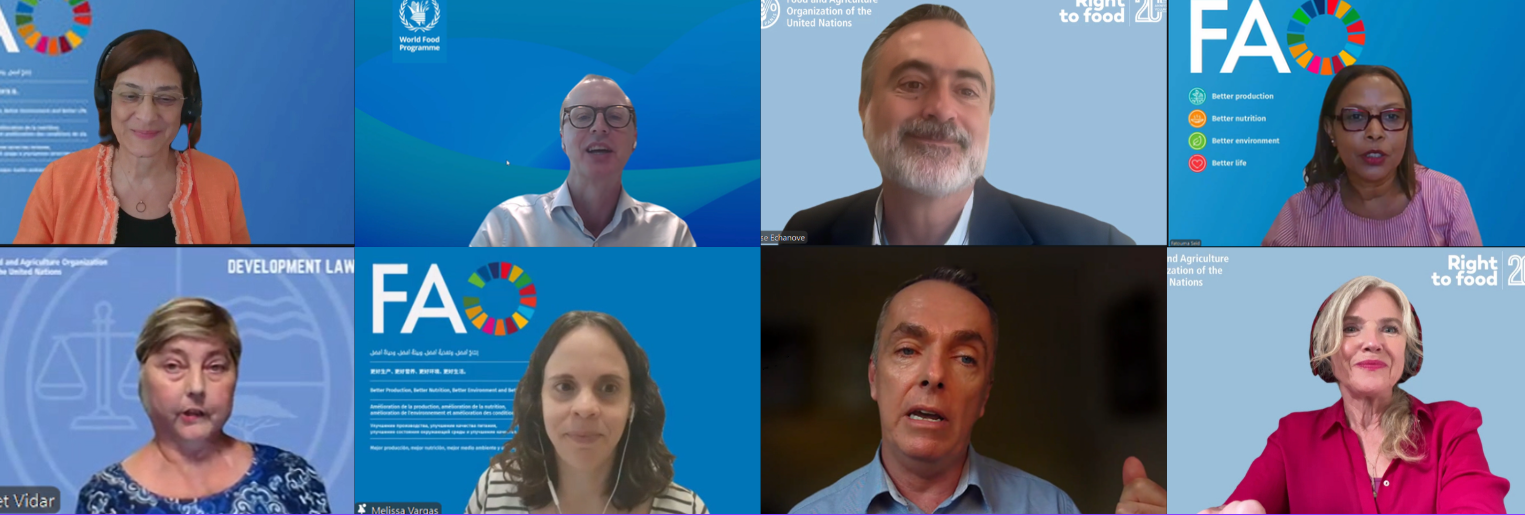
Experts from across the World Food Programme and the Food and Agriculture Organisation explored the importance of school meal legislation in ensuring every child has access to quality food when learning.
A webinar for members of parliament organised by the World Food Programme (WFP) and Food and Agriculture Organisation (FAO), in collaboration with IPNEd, explored how school meals are a critical tool for advancing the right to food.
The event focused on nutritional guidelines and standards (NGS), exploring how countries can introduce legislation to ensure that every child’s right to food is realised.
Every day, 466 million children receive a school meal, making it the most widespread social safety net and an important opportunity to contribute to supporting the right to food.
Given the importance of school food to children’s diets, it is essential that they are nutritious and are aligned with the possibilities of local food systems and available resources.
Participants heard from experts from both FAO and WFP that this can be enabled by setting and applying a set of rules and principles that define the composition and preparation of foods and meals.
In addition to improving education performance and overall nutrition of children, school meals offer opportunities for socialisation, strengthen local food systems and economies, and are often a vital food source for children living in crisis-affected or low-income countries.
FAO’s lead on the right to food, Juan Echanove, opened the event and made a compelling case for parliamentary action, including the passing of laws, to extend the reach and improve the quality of school meals.
IPNEd’s Executive Director, Joseph Nhan-O'Reilly, explored the important role parliamentarians can play in turning evidence on school meals into policy and action, backed by law.
He highlighted that “the benefits of school feeding extend far outside of the classroom, and can be strengthened through the introduction of effective and evidence-based school meal legislation”.
“School meals help build gender equality, make local food systems more resilient, and alleviate the pressure on low-income households by providing nutritious food for children - particularly in crisis-affected countries”, Mr Nhan-O-Reilly continued.
IPNEd produced a toolkit for members of parliament on school meals which provides an introduction to school meal programmes, the powerful evidence of the benefits of school meals, along with actionable advice and guidelines on how members of parliament can exercise their core responsibilities to expand and improve school meal programmes.
Melissa Vargas, Nutrition and Food Systems Officer for the FAO, explored the importance of involving children, teachers and parents in developing and implementing NGS, as well as the need to ensure they are effectively put into practice.
“Without effective implementation of school meal legislation, the potential returns on investment may be lost and confidence in nutrition standards can be weakened”, Ms Vargas said.
“Getting implementation right is essential for nutritional standards to deliver meaningful benefits for children.”
The closing reflections of Fatouma Seid, Deputy Director FAO Partnerships and UN collaboration Division, reiterated the central message of the webinar: school meals are more than just a social programme, and parliamentarians have a key role in turning nutrition commitment into action.
Through creating, scrutinizing, implementing and monitoring school meal legislation, parliamentarians can build sustainable and resilient systems that support children’s nutrition and education.
Strong nutrition standards, backed by effective policy and legislation, can help countries build systems that turn school meals into a foundation for children to thrive in education.
