

IPNEd hosts national workshop on foundational learning in Malawi
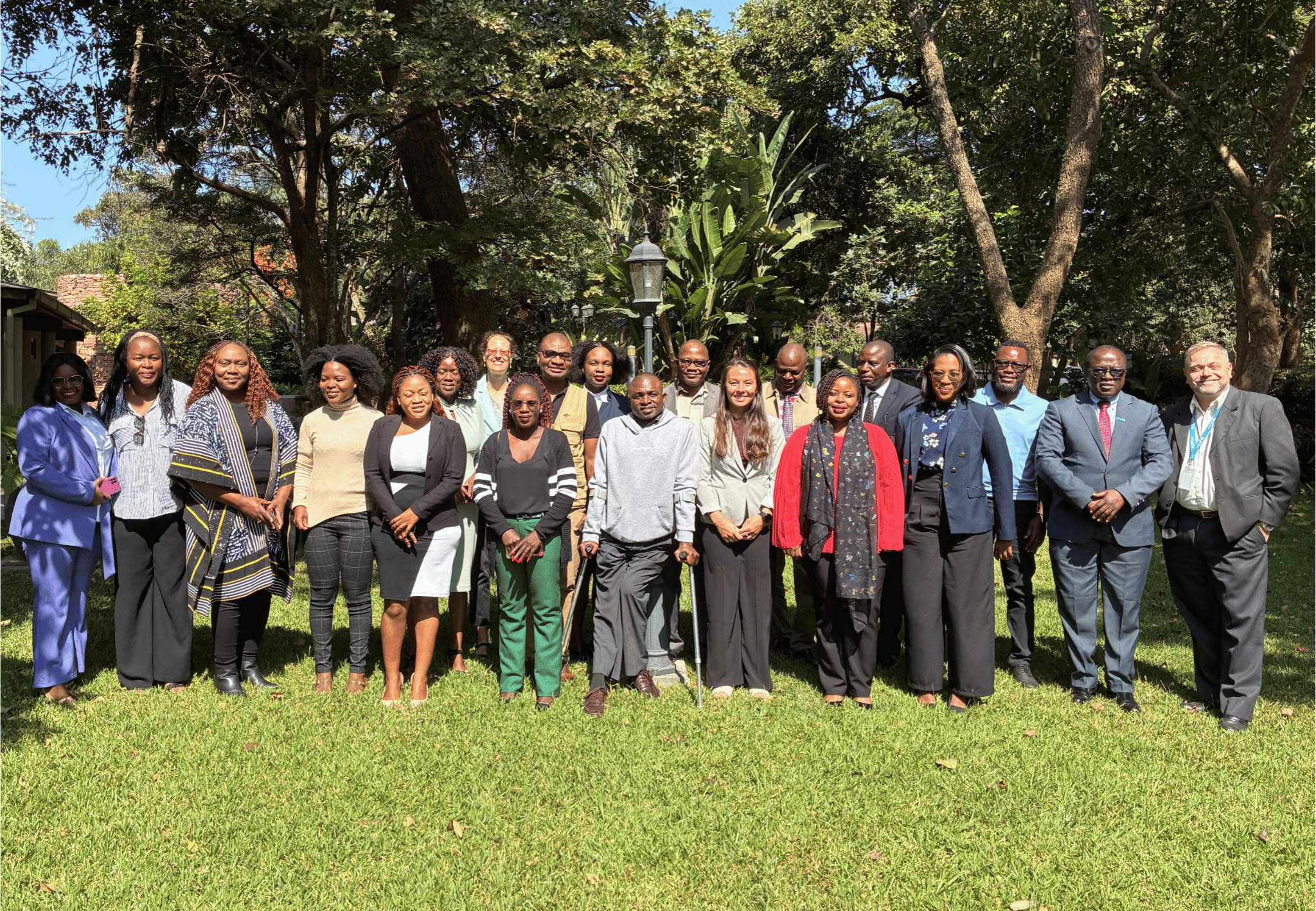
Participants at the national workshop on foundational learning in Malawi.
On 21 May, IPNEd hosted a parliamentary advocacy workshop in Lilongwe for partners working on foundational learning.
Participants agreed to develop a shared policy and advocacy agenda on foundational learning, which will be used to mobilise parliamentary action aimed at improving early grade numeracy and literacy outcomes.
Twenty-four participants from 13 organisations across Malawi, including the national parliament, Malawi’s Civil Society Education Coalition (CSEC), UNICEF Malawi and ActionAid, came together to explore the latest evidence, discuss key barriers to early grade learning and devise a shared advocacy strategy to encourage parliamentary action on foundational learning.
After an introductory presentation by Mr Foster Kholowa, Education Specialist at UNICEF, to set the scene, participants explored the latest evidence on foundational learning in Malawi.
Mr Foster shared the latest available evidence on early grade learning outcomes, which shows that only 19 per cent of children aged 7 to 14 have foundational reading skills. This means they were able to correctly read a short story at a class 2/3 level and answer five comprehension questions about the story.
Mr Kholowa outlined continental commitments to ensure every child learns, such as the Ministerial FLEX Declaration (2024), and globally, through the Commitment to Action on Foundational Learning (2022), to which IPNEd is also a signatory.
Facilitated by IPNEd’s Senior Policy & Advocacy Adviser, Beth Gum, the group explored financing for foundational learning, teacher training and employment, effective policy implementation, community involvement, teaching and learning materials, and other challenges.
“Too many children in Malawi are starting primary school without having attended any early childhood education. To improve foundational learning outcomes in primary schools and prevent early-grade repetition, investments must prioritise early years as the foundation for all future learning,” shared Yandura Chipeta, Executive Director of Action Aid Malawi.
One key aim of the workshop was to identify and agree on a small number of priority issues for collective parliamentary advocacy, as well as to explore the different functions of parliaments and how they can drive progress on foundational learning.
“Parliaments hold unique functions to legislate, approve public spending, scrutinise government action, represent their constituents and advocate for change,” shared Ms Gum, “Encouraging parliament to exercise their responsibilities to advance foundational learning is key to progress.”
In the afternoon, participants explored actions parliament could take, considering its key functions to ensure that all children are learning.
Mr Benedicto Kondowe, Executive Director of CSEC, facilitated the session, pulling together key recommendations the group had on foundational learning.
“At CSEC, we believe that strong collaboration with parliament is essential to ensure that policy commitments are translated into meaningful action for foundational learning,” shared Mr. Kondowe, “This workshop demonstrated the collective passion, expertise, and commitment of stakeholders across Malawi to ensure that every child acquires foundational learning skills by the age of 10.”
The day ended with developing a timeline for next steps, including authoring a policy briefing for parliament, a moment to engage parliament ahead of the next FLEX Conference - which the Malawian government has agreed to host - and how we will continue to work together.
