

UK MPs assess state of foundational learning in Malawi
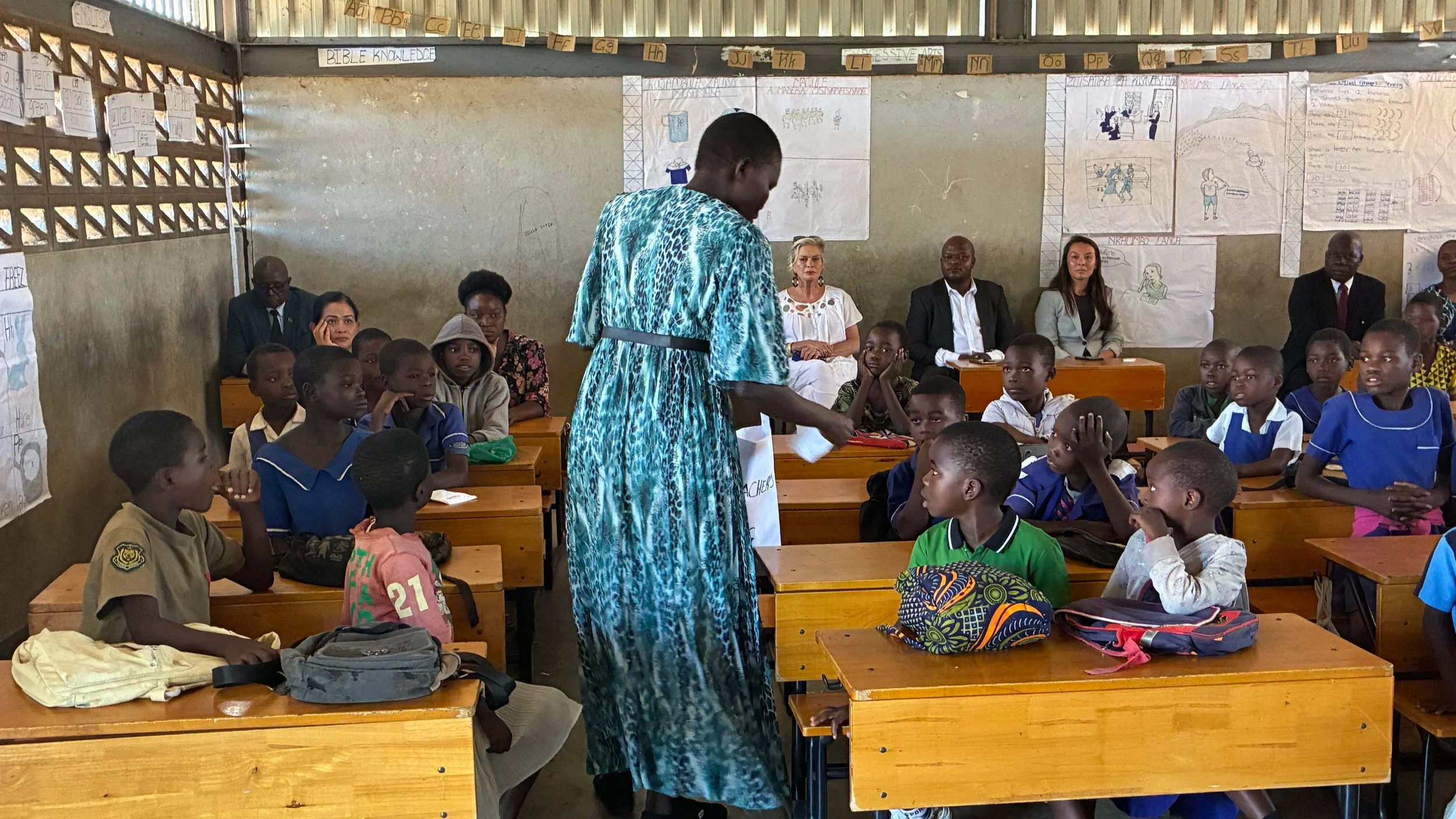
Members of the UK parliament visited schools in Malawi to observe primary school mathematics classes.
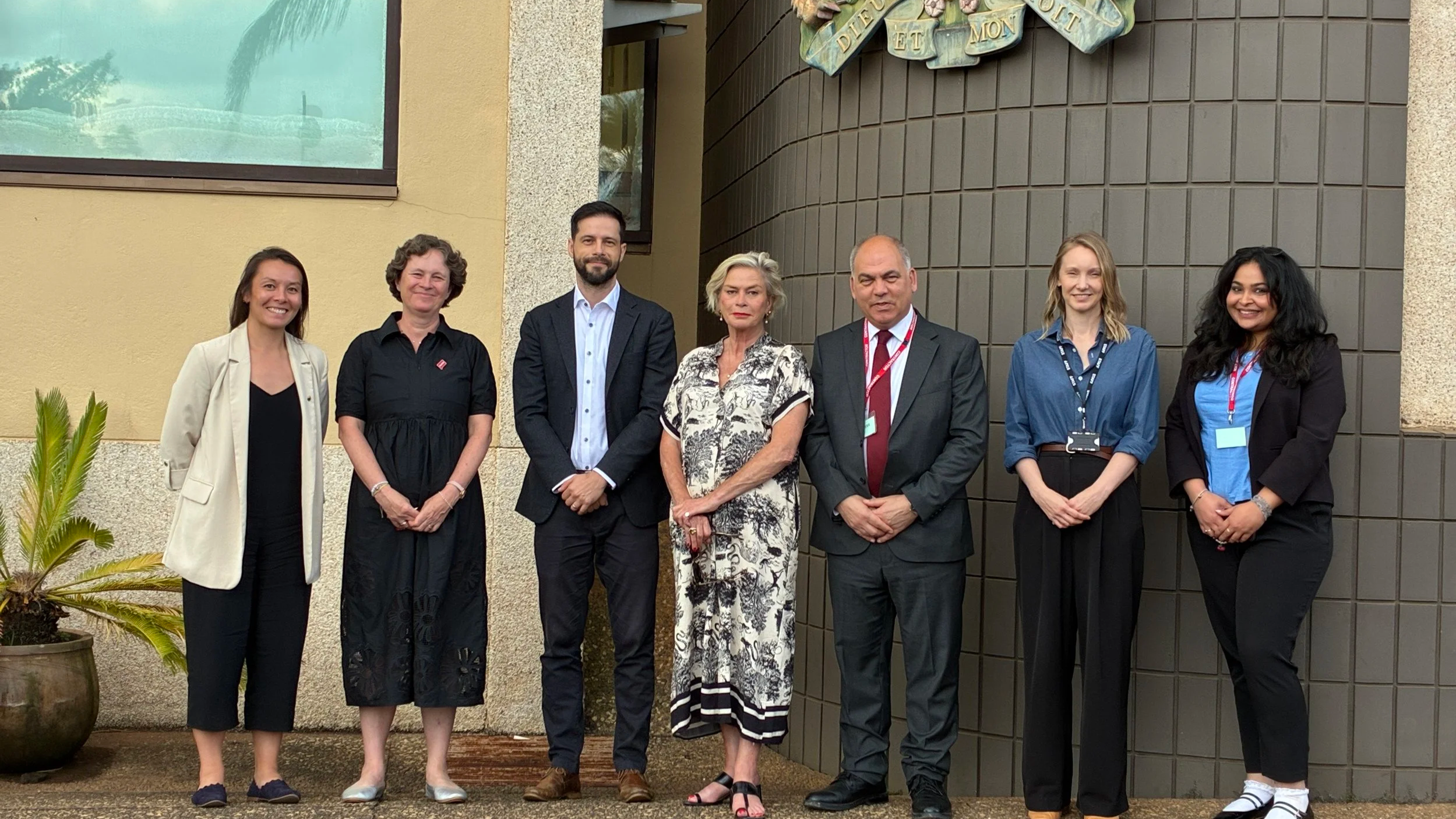
From 25-29 May, a delegation of Members of the UK Parliament travelled to Malawi to learn about progress on education in the early grades of primary school.
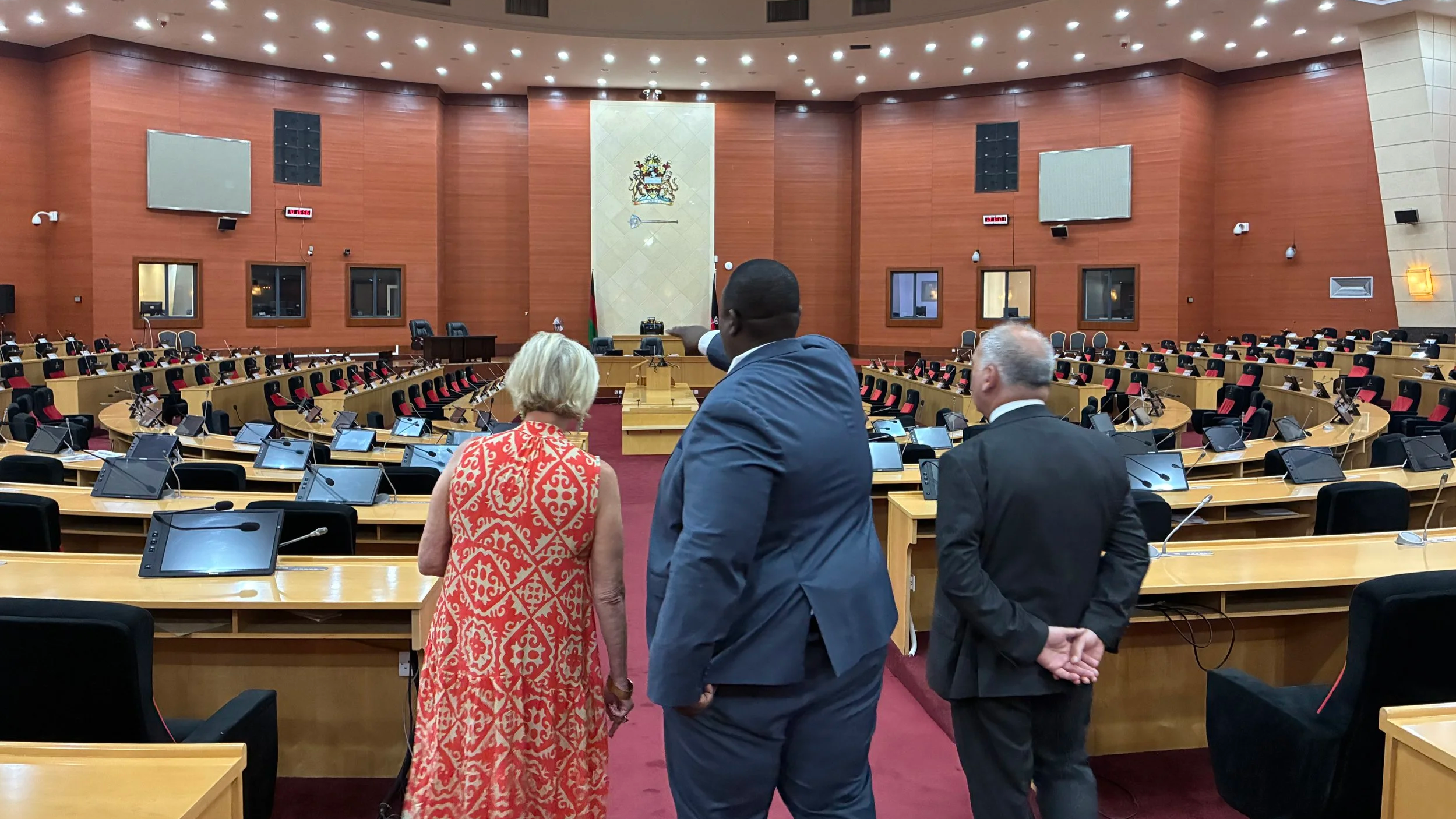
After meeting high-level officials, including the First Deputy Speaker, local parliamentarians, the Minister of Education and the British High Commissioner, as well as visiting schools, the MPs have returned home to influence the UK’s engagement on global education.
Last week, members of the UK parliament travelled to Malawi to see firsthand how UK support for education has contributed to overall educational progress and, in particular, to foundational learning.
Organised by Results UK, which provides the secretariat for the All-Party Parliamentary Group (APPG) on Global Education, and accompanied by IPNEd, the cross-party delegation aimed to provide MPs with deeper knowledge and understanding of how the UK supports education in low-income countries both with Overseas Development Assistance (ODA) and technical advice.
Bambos Charalambous MP, the Co-Chair of the APPG on Global Education, and Rachel Gilmour MP who sits on the UK Parliament’s Public Accounts Committee, visited primary schools and met senior officials in Malawi.
Research from UNICEF shows that only 13 per cent of children ages 7-14 have foundational numeracy skills, meaning that too many children struggle with reading basic numbers and simple addition and subtraction.
The UK has been a driving force supporting the Ministry of Education in Malawi to roll-out an evidence-based curriculum for mathematics, known as the National Mathematics Curriculum Reform Programme (NMCRP). These reforms have been recognised globally as among the most impactful interventions in foundational numeracy.
A final evaluation of the programme demonstrated significant improvements in all mathematical operations across all grades. In fact, it showed that the average child learnt about an extra half-year of maths compared with a typical school year in Malawi.
Strengthened country partnership
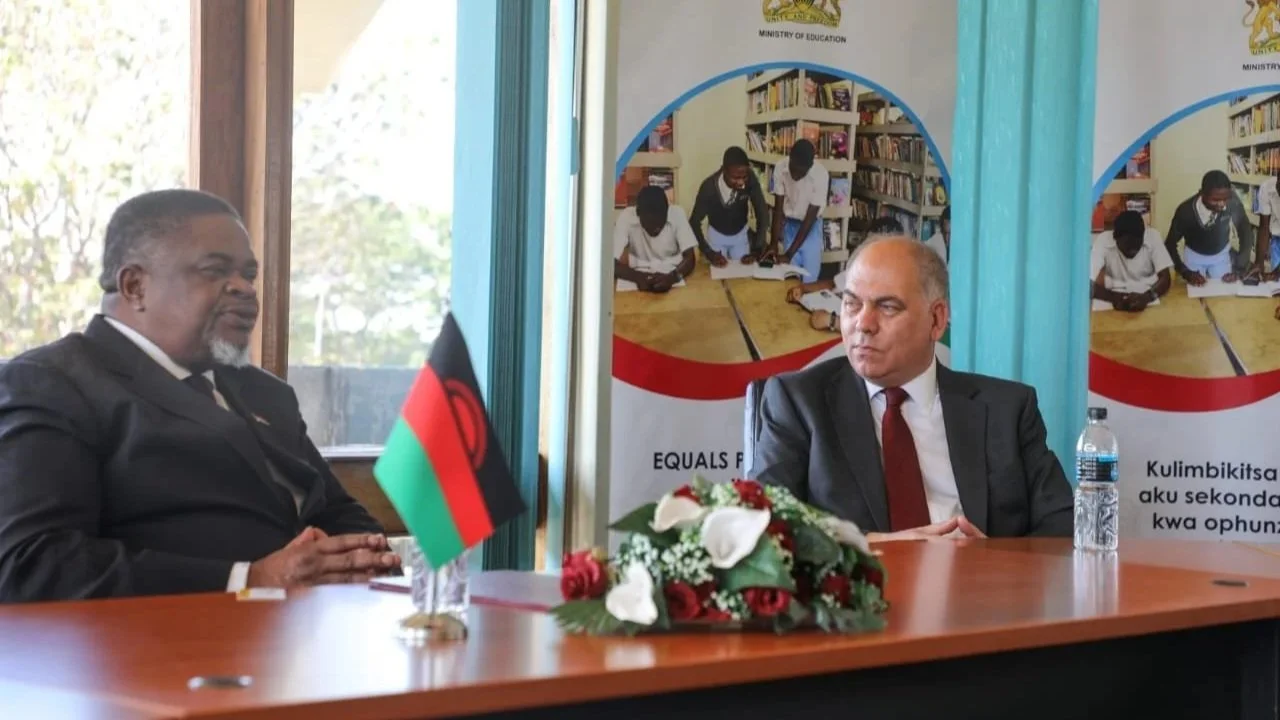
Mr Charalambous and Ms Gilmour met with the Minister of Education, Hon. Bright Msaka MP, who recognised the vital gap that UK support had filled by providing technical and financial assistance to develop mathematics teaching and learning materials and training for teachers.
Developing a national learning assessment on foundational learning was also highlighted as a key part of the UK’s ongoing support to Malawi, as well as the roll-out of a new pilot, based on teach at the right level (TaRL) methodology, to support children who have fallen behind in mainstream classes.
The value of the UK-Malawi partnership was acknowledged by the First Deputy Speaker of the Malawi Parliament, Hon. Victor Musowa MP, who commended the UK parliamentarians for their dedication to education, recognising that education is a vital pathway to jobs, human capital development and national progress.
Seeing mathematics classes in action
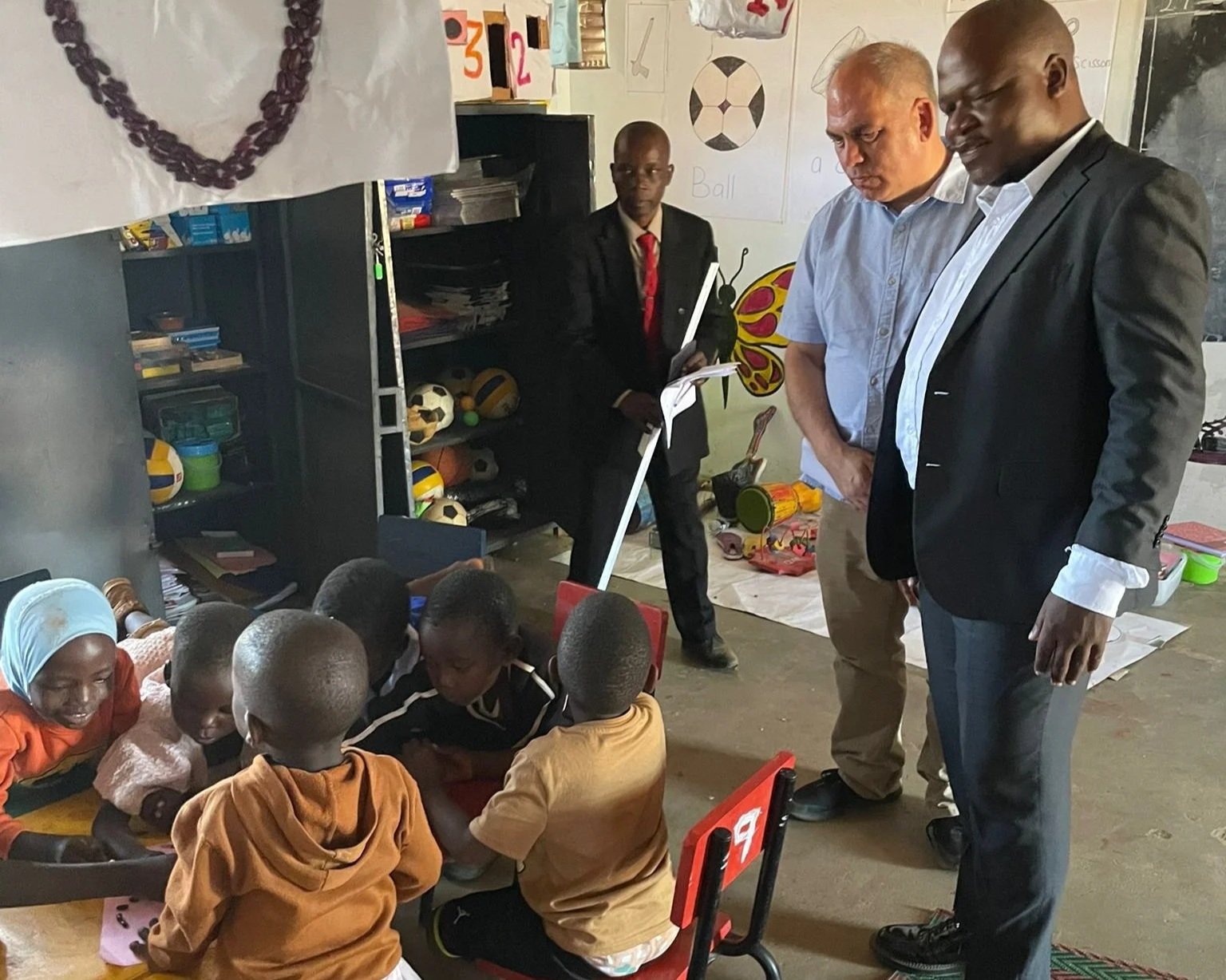
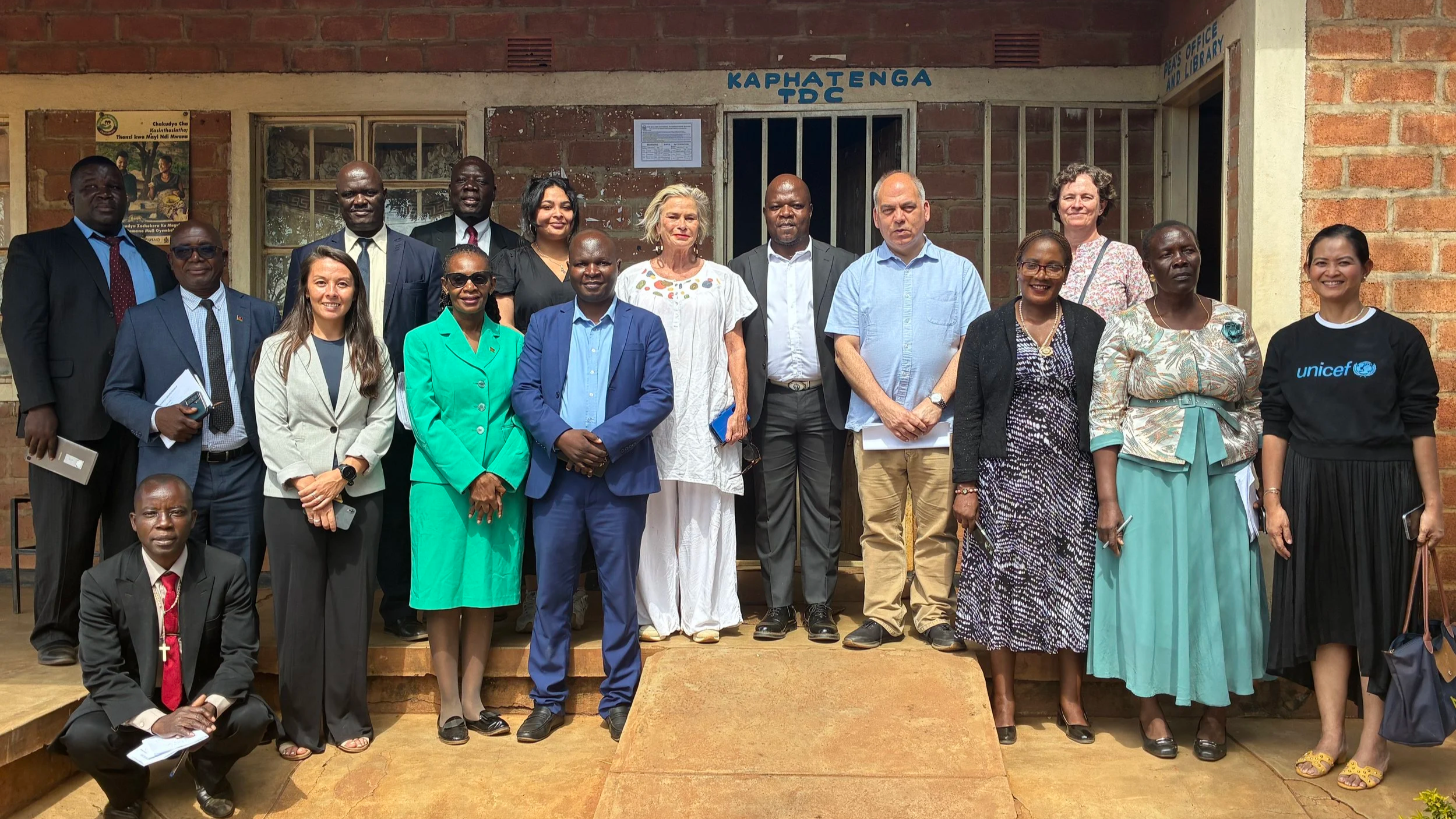
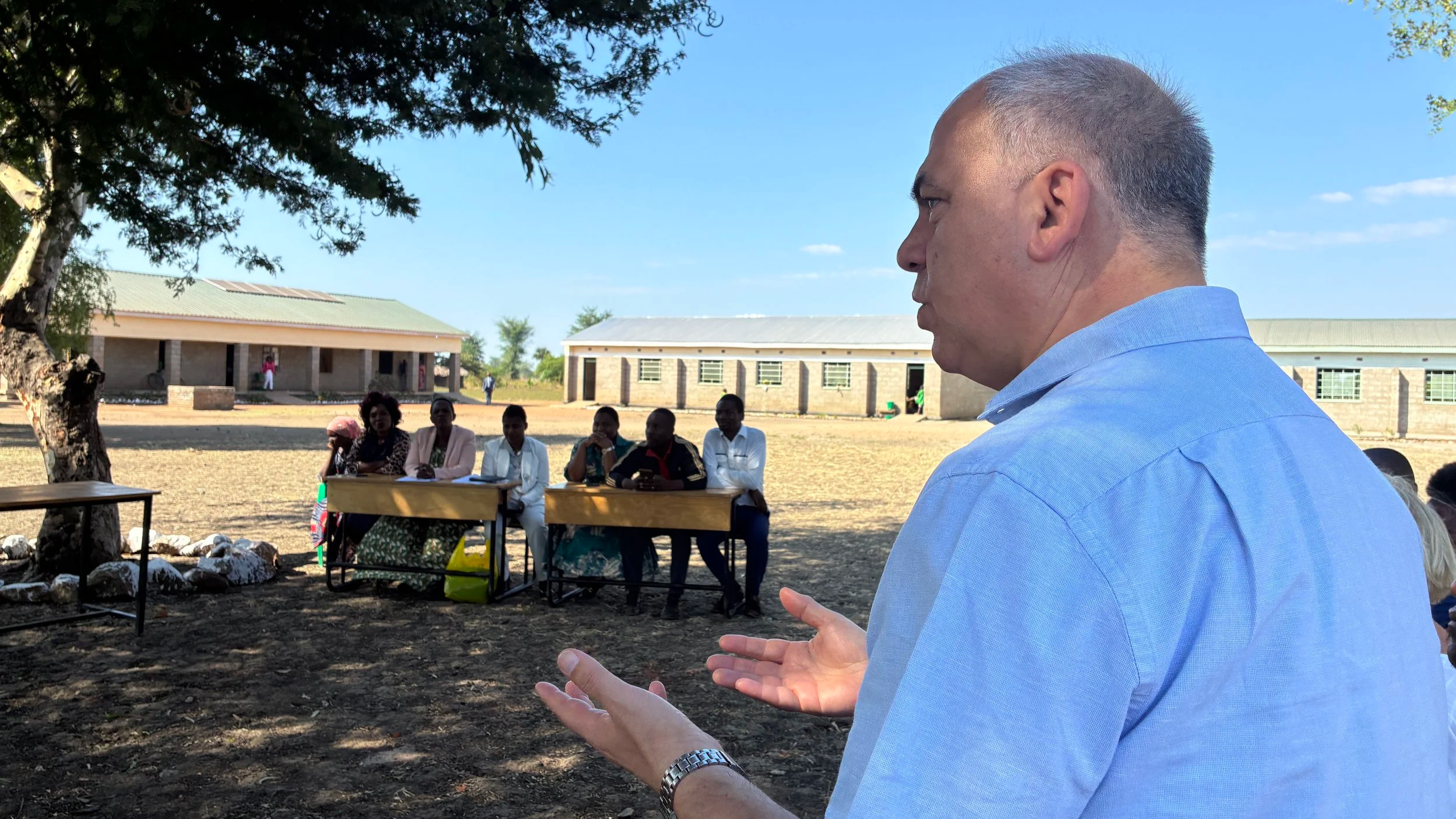
Travelling to schools in both Lilongwe and Salima district, the delegation was welcomed to local schools by Hon. Gerald Phiri MP for Salima Central, Hon. Jimion Nyanda MP for Lilongwe Central and Hon. Maria Kambuzi MP for Lilongwe Bunda, as well as National Coordinator of the NMCRP, Mr. Sakayi Musopole and many other local officials.
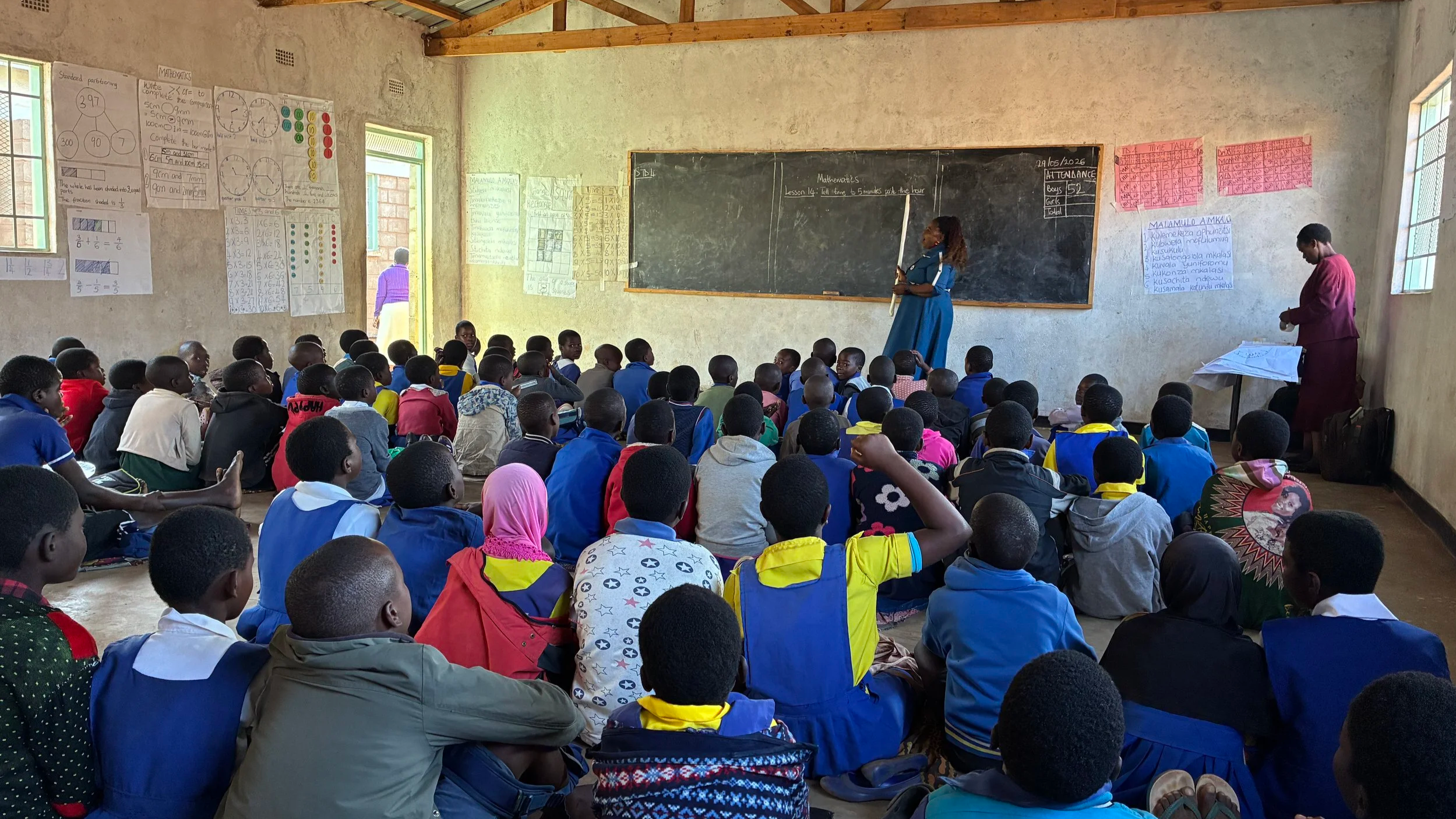
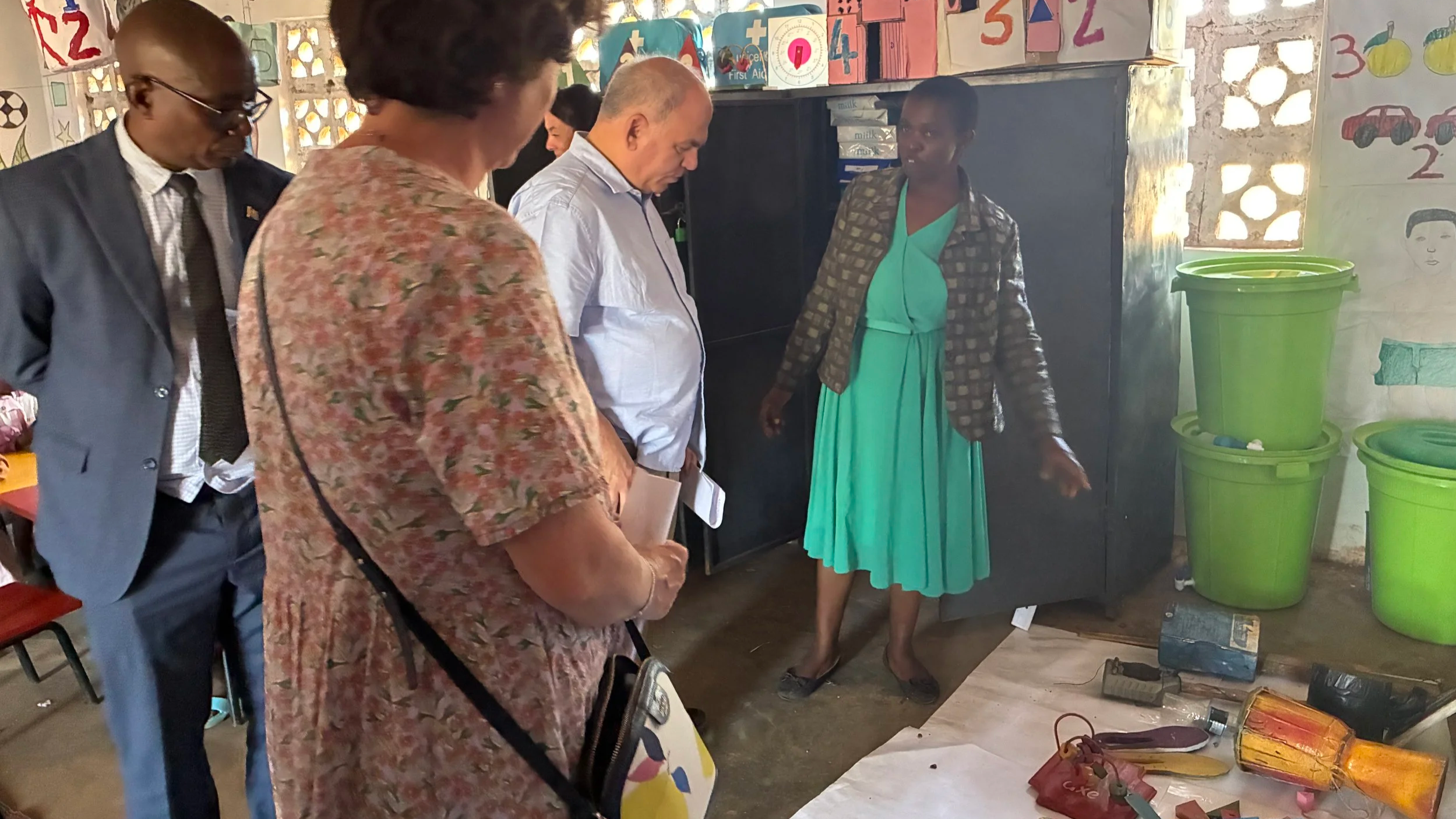
Mr Charalambous and Ms Gilmour observed early grade mathematics classes. They both noted the high student-to-teacher ratio of over 100 children in a classroom and the importance of well-trained teachers to improve foundational mathematics skills.
With support from the UK, the Ministry of Education in Malawi has strengthened teacher training and the quality of teaching and learning materials for mathematics.
By 2024, the numeracy reforms had been rolled out to all 6,000 primary schools in Malawi, reaching nearly 4 million students. More than 65,000 teachers have been trained and 18.5 million workbooks for grades 1-4 have been provided.
“Without foundational skills, children struggle to stay in school and continue onto secondary education,” shared Mr Charalambous, “We have to get the basics right to ensure children can succeed and fulfil their potential, and we commend the excellent progress the government of Malawi has made on numeracy.”
Continued progress on foundational learning
The MPs also met with the British High Commissioner, Ms Leigh Stubblefield, where they were briefed on the broader ecosystem of development across the country.
Other senior experts from UNICEF Malawi, the World Bank and the FCDO also provided valuable insights into wider progress on foundational learning, particularly through funding from the Global Partnership for Education (GPE), which will help to deliver a new national policy to provide each school with a pre-primary classroom.
“We have seen through our visit that improvements in infrastructure won’t improve foundational learning alone,” shared Ms Gilmour, “Investments must be made to support teachers through training and quality teaching and learning materials - this will result in improved foundational learning outcomes in Malawian classrooms.”
Committed to continuing to champion educational progress in Malawi, the UK delegation returned home on 31 May where plans are underway to influence the tone and ambition of UK parliamentary engagement on global education in the current parliament.
