

New partnership aims to share education evidence with MPs
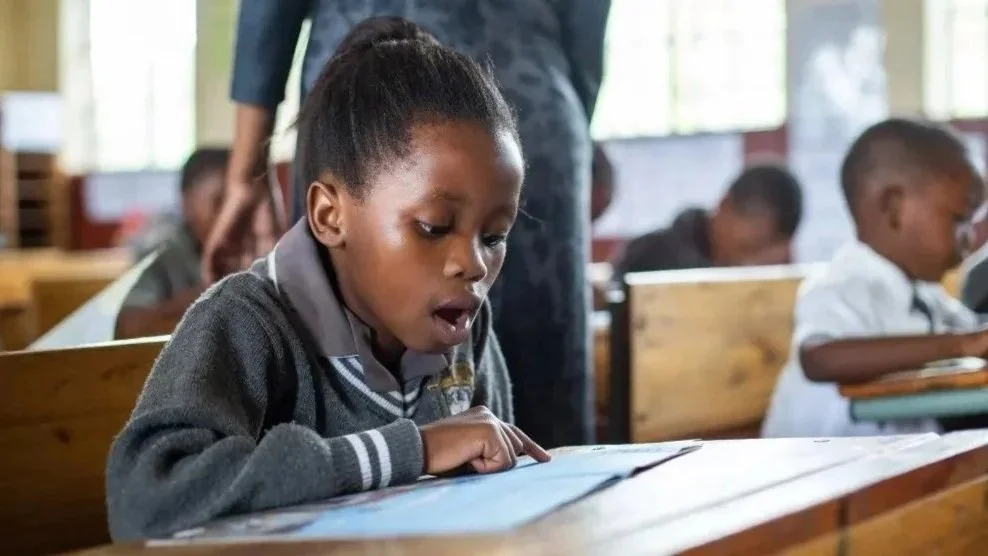
New partnership will provide MPs with the latest evidence to improve education systems. Photo credit: UNICEF South Africa.
IPNEd and the Global Education Evidence Advisory Panel (GEEAP) have agreed to a new partnership to make the latest evidence from the education sector available to parliamentarians.
Established in 2020, the GEEAP is an independent, cross-disciplinary body composed of leading evidence experts. The panel distils key policy lessons with a focus on cost-effectiveness at scale, disseminates evidence-based recommendations, and collaborates with key stakeholders to strengthen evidence-informed policymaking in education.
“Making high-quality evidence about what works cost-effectively in education in low and middle-income countries available to decision-makers is a central priority for the panel. Our new partnership with IPNEd will help us achieve that,” said Maria Brindlmayer, from the GEEAP Secretariat.
“Making sure that members of parliament have access to the latest evidence is key to improving the laws that they enact, the funds they allocate and ensuring that they hold governments accountable,” said IPNEd’s Executive Director, Joseph Nhan-O’Reilly.
The GEEAP’s latest report on effective reading instruction is a case in point. It clearly shows that one of the primary causes of persistently low levels of literacy acquisition in the first three grades of primary school is the failure to use research-proven instructional methods.
“Closing the gap between what the evidence tells us, what our policies state and what governments actually do in practice is key to accelerating educational progress in general and especially in respect of foundational learning, where we know what works,” said Mr Nhan-O’Reilly.
Over the coming months, IPNEd and GEEAP will explore new ways to share evidence with parliamentarians and support them to use it to accelerate educational progress.
