Foundational learning
Ensuring every child learns to read, write, and do basic mathematics
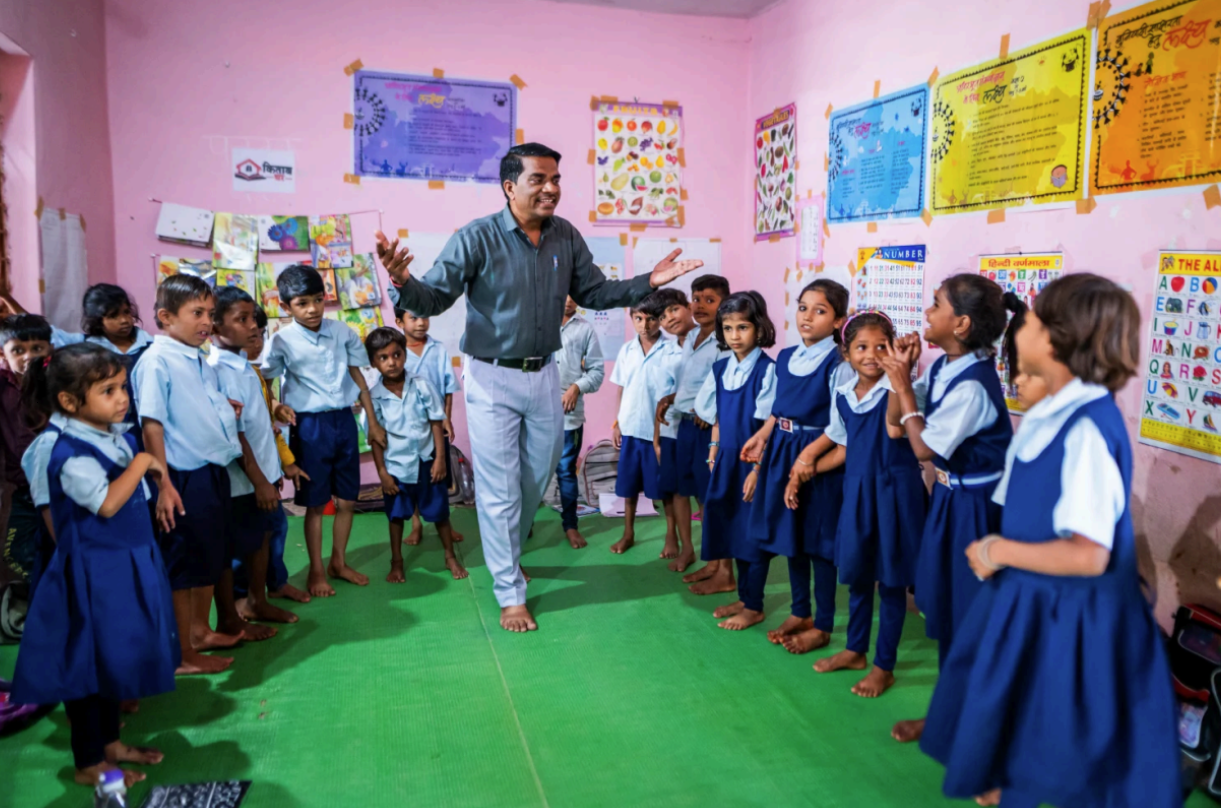
Learning to read, write, and do basic mathematics is the bedrock for all later learning. Children are expected to acquire these skills in the early years of primary school to help them stay in school, continue through the grades, and transition to secondary and higher education.
When children acquire foundational skills at the right age, they are more likely to complete school, earn more when they enter the workforce, and fulfil their individual potential. This can benefit nations as a whole by reducing poverty, improving social stability, and growing human capital.
Yet evidence shows that even when children are in school, they aren’t learning foundational skills.
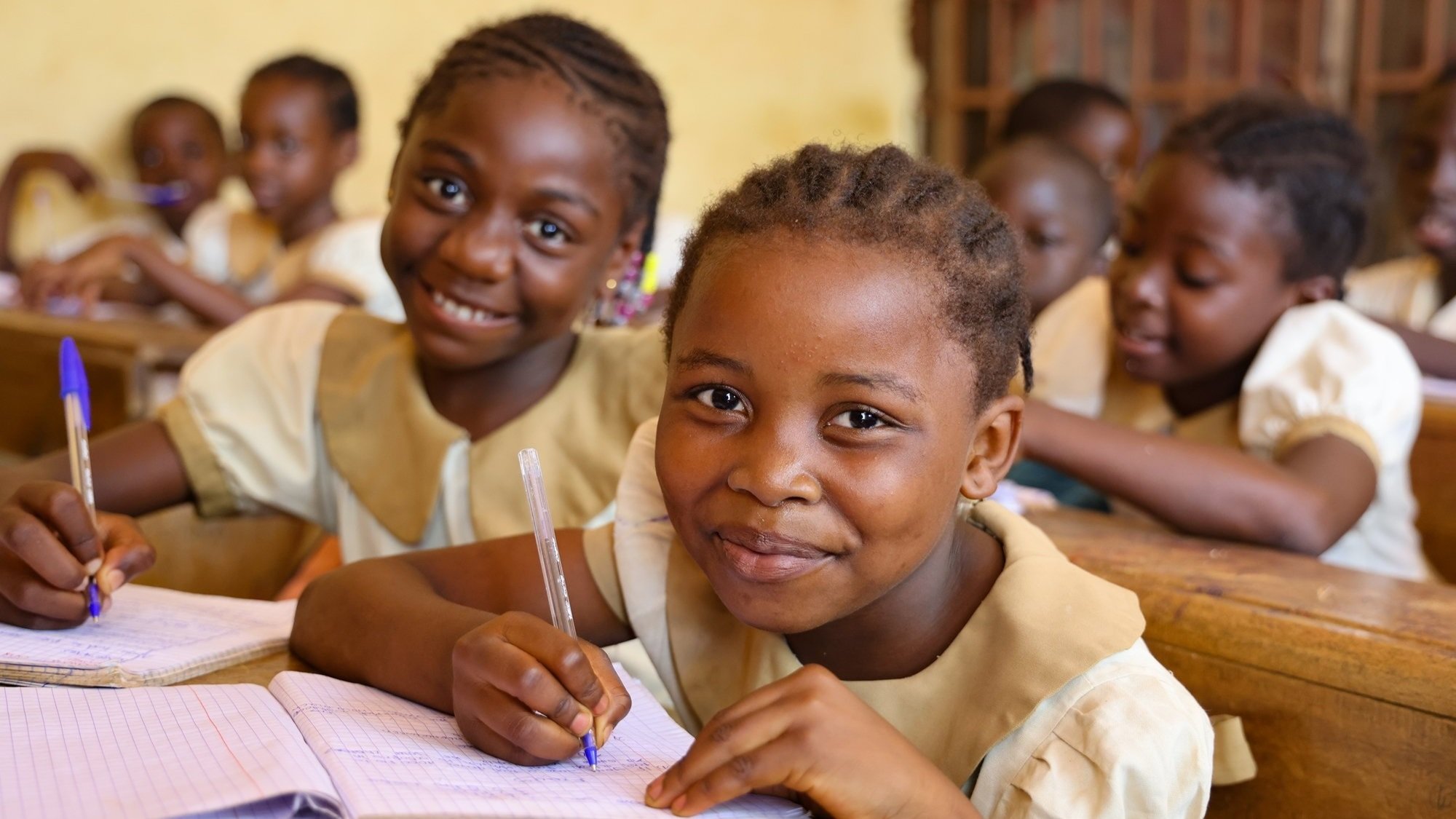
There are still 273 million children out of school. Estimates show that 70% of 10-year-old children in low- and middle-income countries cannot read and understand a simple story, even when they have been attending school.
This figure is higher across sub-Saharan Africa, with 90% of children not reaching the minimum proficiency level by age 10.
Sustained political leadership and action are key to turning around these statistics and ensuring every child is in school and learning.
Momentum is growing across Africa and in other parts of the world to ensure all children are in school and learning. The good news is that there is also an increasing body of research demonstrating what works to improve learning, and it is now about translating evidence into action.
IPNEd works with parliamentarians and political leaders to grow their understanding of low learning levels and their implications. We also support parliamentarians and leaders to take evidence-based action to drive system-level reform to improve foundational learning outcomes.
A 5 point plan to ensure every child learns
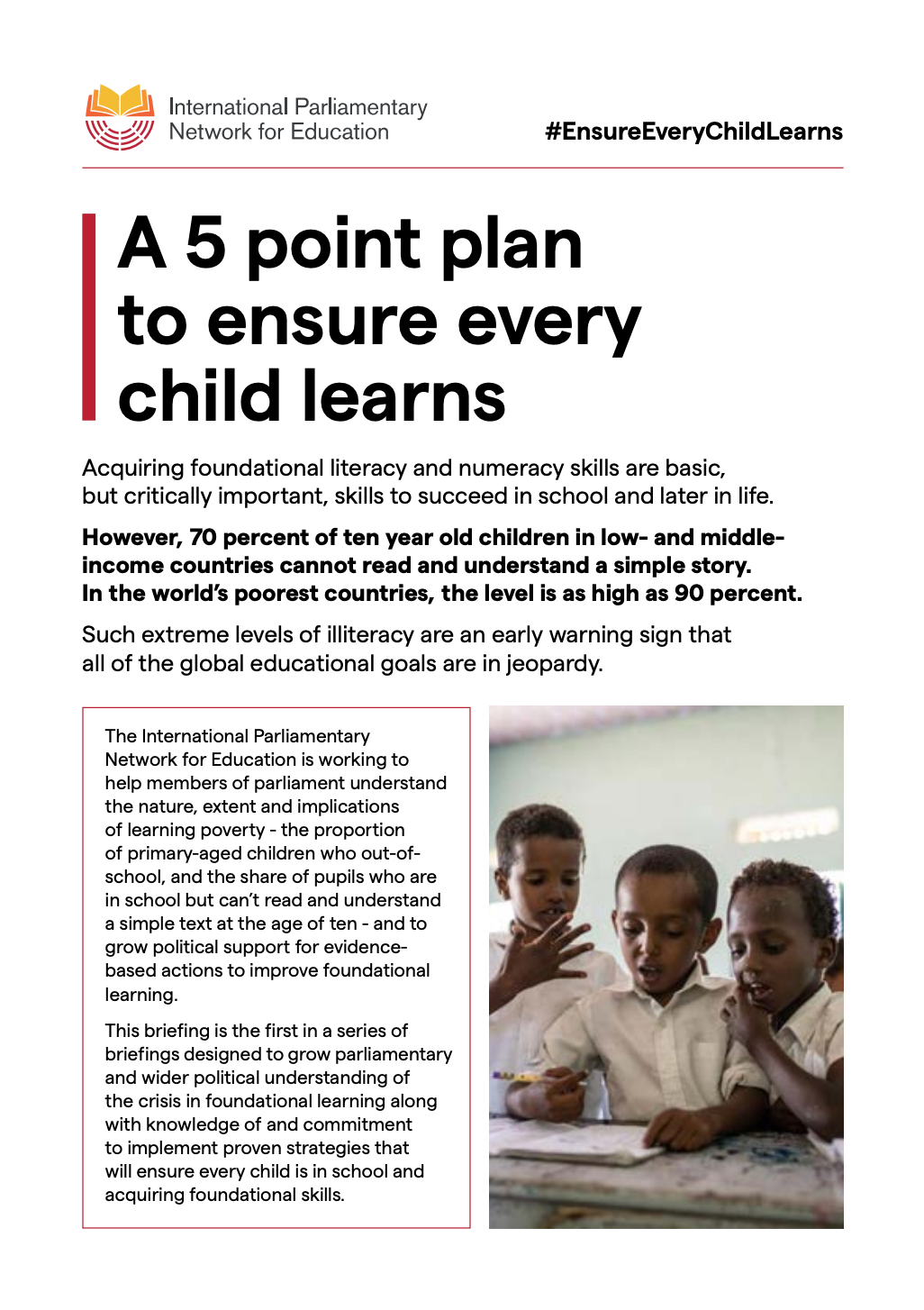
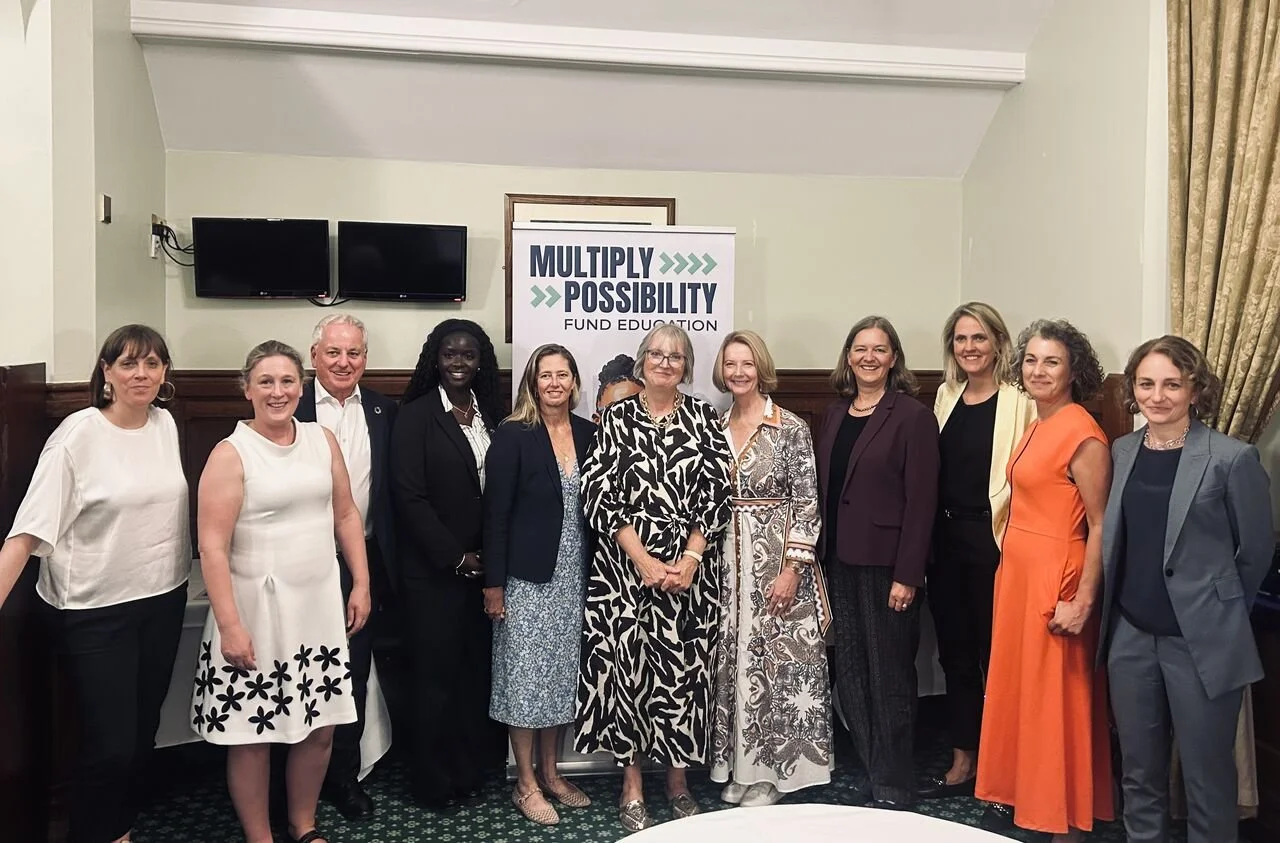
Members of parliament are key to driving change on foundational learning. IPNEd has launched a briefing that sets out 5 actions that parliamentarians can take to help ensure every child learns.
These are:
Acknowledge the extent of the challenge
Mobilise society-wide support for learning
Measure children’s learning
Set clear and widely understood targets to focus efforts
Fund learning
By committing to these 5 actions, parliamentarians can advocate for the change needed to transform education systems and build a future where no child is left behind.
Parliamentary action for learning in Zambia
IPNEd undertakes country-specific advocacy across sub-Saharan Africa to accelerate progress towards improved foundational learning. Since 2024, we have been working with partners in Zambia to grow parliamentary action for foundational learning.
We work to amplify local demands and unify national asks to address key barriers and identify solutions to improving foundational learning. We collaborate with national civil society coalitions, development partners, and government officials to support national parliaments in taking evidence-based action.
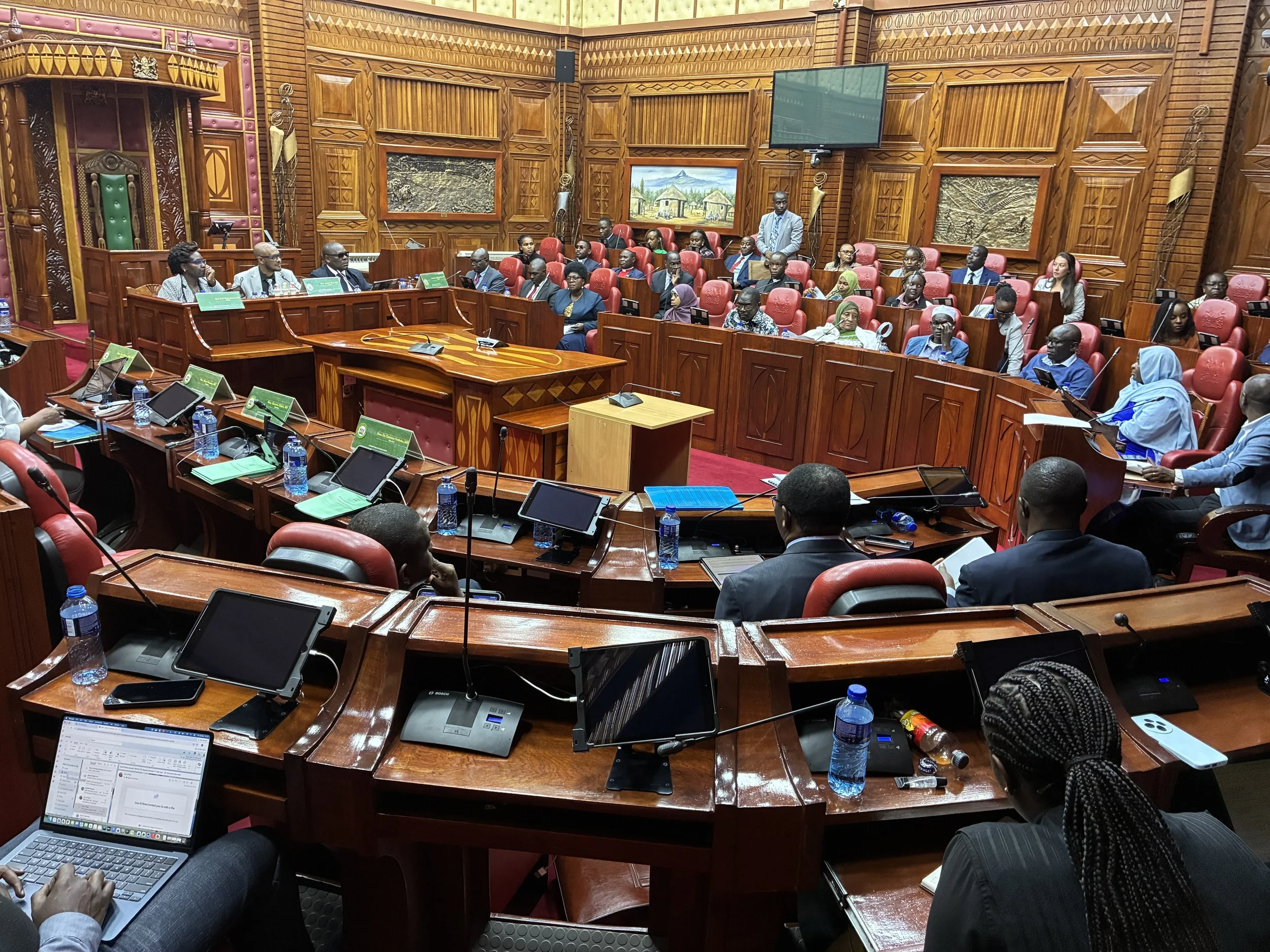
In Zambia, this resulted in the development and launch of a policy briefing in parliament in March 2025, which was attended by 22 members of parliament and broadcast on national television. Hon. Harry Kamboni MP, Chair of the Parliamentary Committee on Education, Science and Technology, launched the briefing, stating:
“As parliamentarians, we have a critical role to play in realising the desired learning outcomes. We are uniquely placed to exercise our parliamentary functions of representation, legislation, financing, and providing oversight, to ensure every Zambian child learns.”
- Hon. Harry Kamboni MP
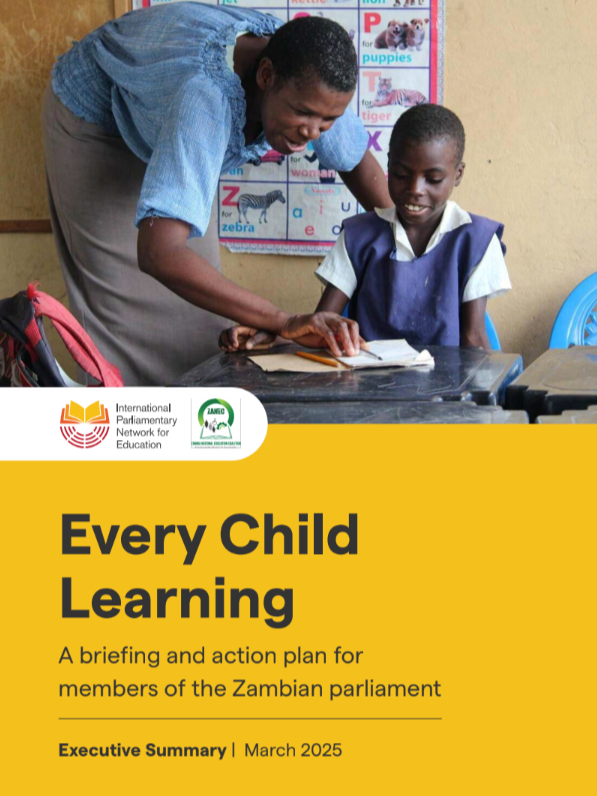
In late 2025, the Committee agreed to conduct an inquiry into the state of foundational literacy and numeracy skills in primary schools. Ms. Beth Gum, on behalf of IPNEd, was called forward as an expert witness to present evidence on the global state of learning and share evidence-based solutions.
The Zambian parliament is committed to fulfilling the promise that every child born in Zambia today should be able to access quality education and learn foundational skills. IPNEd continues to support these exemplary efforts, and works alongside other partners and national parliaments in Sub-Saharan Africa to take action for foundational learning.
Parliamentary action on foundational learning